
romantic-sunset-tropical-beach-with-palm-trees (1)

Inclusive & Equitable Blue Economy Development

#Blue4ward with IRETI | Hope4Blue

SDG 14

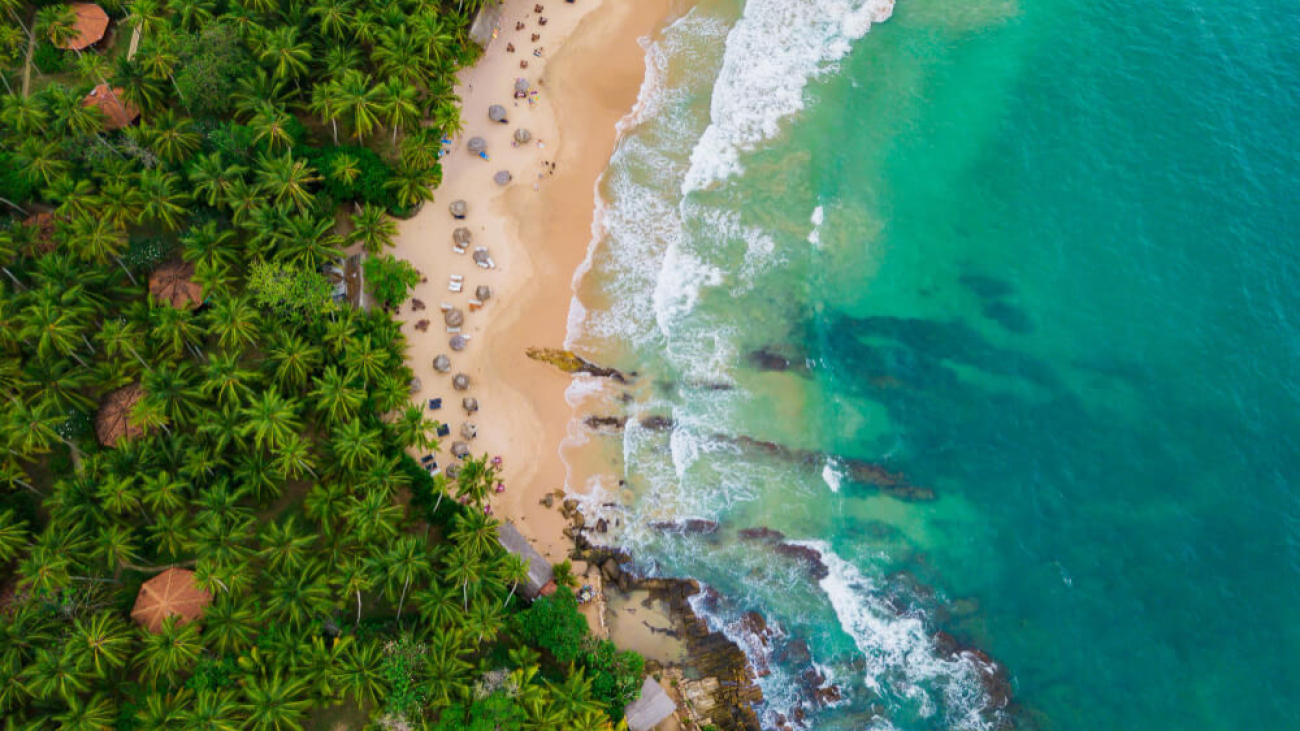
According to the World Bank, the term ‘blue economy’ refers to the sustainable use and conservation of marine, inland aquatic, and coastal resources for food security, job creation, and economic growth. Nigeria’s blue economy remains one of the country’s anchor sub-sectors, with maritime trade contributing 1.6% and fisheries contributing 3 – 5% to the GDP.

The Blue Economy has been dubbed the world’s next economic frontier. 40% of the world’s population live near coastal areas, more than 3 billion people utilize the oceans for their livelihood, and 80% of world trade is achieved using the seas.

The Hope4Blue Program functions based on the five thematic areas identified by the African Union (AU) led expert consultative workshop in 2019 as key vectors for the Africa blue economy development:

  • Governance, Institutions and social actions
  • Fisheries, aquaculture and ecosystems conservation
  • Shipping, transportation and trade
  • Sustainable energy, extractive minerals, gas, innovative industries
  • Environmental sustainability, climate change, coastal infrastructure and tourism

Blue Economy emphasizes on integration of development of the ocean economy with social inclusion, environmental sustainability, combined with innovative business models. It encompasses:

  • Renewable Energy: Sustainable marine energy can play a vital role in social and economic development.
  • Fisheries: Sustainable fisheries can generate more revenue, more fish and help restore fish stocks.
  • Maritime Transport: Over 80% of international goods traded are transported by sea.
  • Tourism: Ocean and coastal tourism can bring jobs and economic growth.
  • Climate Change: Oceans are an important carbon sink (blue carbon) and help mitigate climate change.
  • Waste Management: Better waste management on land can help oceans recover.

The blue economy gives us the opportunity to produce economic resources related to the oceans, while restoring damaged ecosystems and introducing innovative technology that helps us efficiently and sustainably manage everything the seas can offer us.

The oceans are not only a viable source of jobs and wealth. The life of the planet and correct functioning of ecosystem services are sustained by marine ecosystems. The blue economy thus has the potential to achieve a sustainable development which does not compromise life on Earth tomorrow.

Hope4Blue factors that the Blue Economy comprises the same principles and goals as the Green Economy – the promotion of economic growth, social inclusion, and the preservation or improvement of livelihoods while at the same time ensuring environmental sustainability. The Blue Economy concept advocates the ‘greening’ of ocean development strategies for higher productivity and conservation of ocean’s health.

The UN specifies Blue Economy as a range of economic activities related to oceans, seas and coastal areas, and whether these activities are sustainable and socially equitable. An important key point of Blue Economy is sustainable fishing, ocean health, wildlife, and stopping pollution.


Hence, the concept of the Blue Economy rests on the following themes:

  • Sustainable and inclusive growth and development
  • Reducing the risk of over exploitation and risky methods of extraction/usage of the ocean’s resources
  • Enhancing the welfare of coastline communities in terms of economic opportunities and social protection
  • Ensuring resilience of countries to natural disasters and the impact of climate change.

Every year, the ocean economy has an estimated turnover of between US$3 and 6 trillion. This includes employment, ecosystem services provided by the ocean, and cultural services. It is also estimated that fisheries and aquaculture contribute $US100 billion per year and about 260 million jobs to the global economy.

The African Union estimates that the Blue Economy currently generates nearly US$300 billion for the continent, creating 49 million jobs in the process. The preservation of these and other crucial benefits—most notably food security, livelihoods, and biodiversity—are entirely dependent on the ocean’s health. By safeguarding and enhancing marine and coastal health, countries will be in a better position to take full advantage of future Blue Economy opportunities.

According to the World Bank, the Blue Economy is at the core of the economic development and competitiveness of Africa’s coastal countries. However, unsustainable infrastructure development, inadequate management of natural habitats and resources, and pollution are threatening their productivity. Climate change-related events such as sea-level rise, land subsidence, storm surge, and coastal flooding are exacerbating this vulnerability. Blue Economy activities and projects typically suffer from fragmented policies and budget planning, as well as from limited inter-sectoral cooperation.

The Hope4Blue program considers the inter-sectoral nature of Blue Economy Development. Highlighting the fact that the complex challenges and risks—and the enormous development and livelihood opportunities—of the blue economies of Africa require a coordinated approach among a wide range of economic sectors. These sectors include:

  • Fisheries and aquaculture
  • Tourism
  • Renewable energy
  • Marine biotechnology
  • Transport
  • Ports
  • Logistics
  • Wastewater
  • Solid waste management
  • Environmental protection

The World Bank has indicated that the sustainable development of blue economies in Africa needs focused and decisive action to make progress on four cross-cutting areas:

  • Institutional development, Governance and Coordination: Developing adequate institutional frameworks to guide planning and activities across various sectors, levels, jurisdictional boundaries, as well as national and subnational blue sector institutions. Coupled with the identification of common development challenges that require coordinated action across agencies at the national and local level. Climate change adaptation, jobs, and livelihoods are important examples of such shared challenges.
  • Spatial planning: Marine spatial planning (MSP) is a participatory process that brings together all key stakeholders to identify growth and job generation trajectories for coastal areas, together with investment needs, sustainability considerations, current and future risks, and mitigation options. Spatial coordination of coastal territories is required to avoid compounding risks and to leverage development opportunities across sectors for multiple economic and livelihood benefits.
  • Data management and knowledge creation and dissemination: Coordination and integration of information systems to strengthen data and knowledge creation and dissemination to support decision-making. The improved access to and organization of data and knowledge will help generate multi-sectoral, spatial, and sustainable development insights and attract more financing, including from the private sector and other development partners, at both the local and regional levels.
  • Financing: Fully implementing a Blue Economy approach in Africa and addressing the ocean crisis, which includes climate change, requires scaling up the financial resources available. Involving coordinated private sector engagement to bring small and large enterprises together with government institutions. The establishment of partnerships between the public and private sectors have shown to be useful in changing the growth trajectory and accelerating the prosperity of coastal and marine economies.

Hope4Blue prioritizes these four key equally important areas of focus for Sustainable Blue Economy development in the design, activation and deployment of solutions and interventions towards the resource optimization and protection of coastal and marine ecosystems.
african-woman-pouring-water-recipient-outdoors (1)

Improved Water Sanitation & Hygiene

#AWASH with IRETI | Hope4WASH

SDG 6

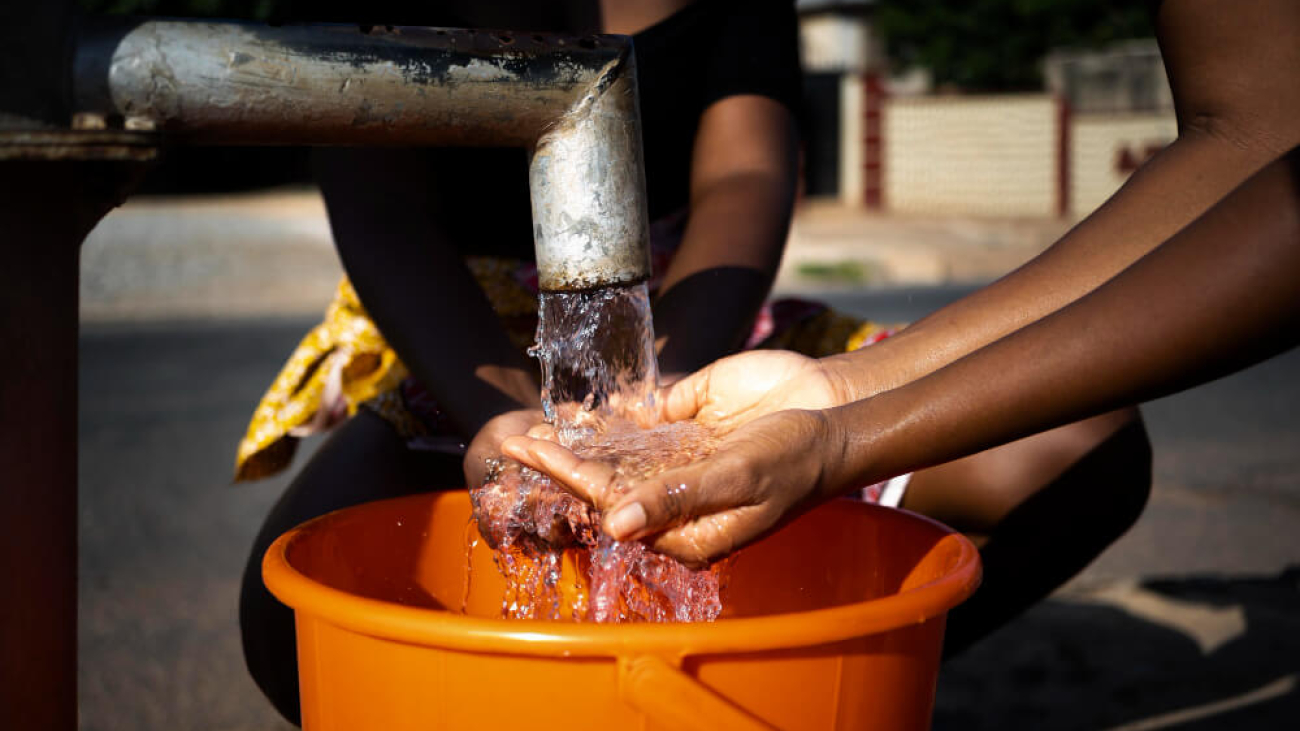
Access to safe water, sanitation and hygiene is a human right, yet billions are still faced with daily challenges accessing even the most basic of services. Around 1.8 billion people globally use a source of drinking water that is fecally contaminated. About 2.4 billion people lack access to basic sanitation services, such as toilets or latrines.

Key WASH Facts
  • 3 in 10 people worldwide, approximately 2.2 billion still lack access to safely managed drinking water.
  • Water scarcity affects more than 40% of the global population and is projected to rise.
  • More than 80% of wastewater resulting from human activities is discharged into rivers or sea without any treatment, leading to pollution.
  • More than half of the global population does not have access to safe sanitation.
  • About 3 billion people do not have access to handwashing facilities with soap.
  • 673 million people still practice open defecation.
  • Water and sanitation-related diseases remain among the major causes of death in children under five; more than 800 children die every day from diarrhoeal diseases linked to poor hygiene. Growing up in a clean and safe environment is every child’s right. Access to clean water, basic toilets, and good hygiene practices not only keeps children thriving, but also gives them a healthier start in life.
  • Over 700 children under age 5 die every day of diarrhoeal diseases due to lack of appropriate WASH services. In areas of conflict, children are nearly 20 times more likely to die from diarrhoeal disease than from the conflict itself.
  • 1 in every 3 persons in Abuja practices open defecation, amounting to approximately 37% of the population.
  • In 2018, Nigeria’s Water, Sanitation and Hygiene (WASH) sector was declared to be in a state of emergency; with approximately 60 million Nigerians were living without access to basic drinking water, 80 million without improved sanitation facilities, and 167 million without access to basic handwashing facilities.
  • Women and girls suffer disproportionately from the lack of adequate WASH services. They bear the burden of water collection over long distances, which has been associated with negative effects on well-being, school attendance, and a higher risk of gender-based violence.
  • The economic impact of not investing in water and sanitation costs 4.3% (over 80 billion dollars) of sub-Saharan African GDP.

The Hope4WASH program is premised on the understanding that proper water and sanitation is a key foundation for achieving the Sustainable Development Goals (SDGs). And meeting the target on access to water and sanitation is particularly vital in terms of the no poverty, gender equality, and good health goals, and also has a significant impact on other SDGs.

The United Nations Development Programme (UNDP) states that overall human development is more closely linked to access to water and sanitation than any other development driver, including spending on health or education, and access to energy services.

Hope4WASH seeks to enable improved access to water, sanitation and hygiene services, which has been identified to have various impacts on social and economic development of millions of people, including improving poverty, hunger, primary education, gender equality, child mortality, maternal mortality, water-related disease outbreak, job creation and environmental sustainability outcomes.

Hope4WASH aims to deploy relevant community-based solutions to systemically address issues with access to clean water and reliable sanitation, and to promote basic hygiene practices in rural and urban areas, including in emergency situations.

13

Environmental Health & Climate Action

The green economy is a people-and-nature-centric model with 5 main principles which are:

    • Wellbeing
    • Justice and Good Governance
    • Poverty eradication
    • Energy-Efficiency and Low-Carbon Development
    • Planetary Boundaries

Ecology, economy, and equity – these are the key points in a Green Economy and constitute the pathway to a wealthy and inclusive nation. A transition towards a Green Economy is exactly what is needed to achieve multiple Sustainable Development Goals – goals on climate action, economic growth, justice, and well-being.

GreenMe IRETI is a program that prioritizes and amplifies citizen-driven climate action as the most scalable approach to ensuring low-carbon, resource efficient and socially inclusive economies. The program prioritizes health of the planet and of the people, and regards these as interlinked. And brings attention to the fact that the green economy is interlinked with circular economy, encouraging the need for a shift to reduce consumption of natural resources to sustainable levels. As an inclusive economy incorporates and embraces modern models of economic development whose objective is to create prosperity within planetary boundaries.

GreenMe IRETI focuses on three major aspects of Green Economy Development – environmental responsiveness, resource efficiency, as well as community and cultural sensitivity.

    • Environmental responsiveness involves respecting the intrinsic value of nature and minimizing damage to the ecosystem.
    • Resource efficiency involves the use of fewer resources to conserve energy and the environment.
    • Community and Cultural Sensitivity involve recognizing and accepting the unique cultural values that each community contributes towards development.
12

Justice Equity & Human Rights Protection

The justice gap can be understood as the number of people who have at least one unmet justice need. These are people who are ultimately not getting the justice they need for both everyday problems and severe injustices.

Drawing from the global estimates, it can be inferred that over 120 million Nigerians (almost 67% of the population) experience some form of Justice Exclusion in their everyday lives.

Get Your Rights with IRETI aims to bridge the Justice Gap in Nigeria through targeted interventions that contribute towards the improvement of Citizens’ Legal Empowerment and Capability, Support of the entire Justice System for the provision of Appropriate Assistance, and Identifying opportunities to accelerate Resolution Processes and Outcomes.                                     

This program also prioritizes a broader approach to the understanding and the promoting of the Rule of Law as key to enabling Environmental Rights and Justice.

11

Education and Lifelong Learning

Education for Sustainable Development (ESD) empowers learners with knowledge, skills, values and attitudes to take informed decisions and make responsible actions for environmental integrity, economic viability and a just society.

In order to make the shift to an inclusive and sustainable future, we need to rethink what, where and how we learn to develop the knowledge, skills, values and attitudes that enable us all to make informed decisions and take individual and collective action on local, national and global urgencies.

SkoolMe IRETI is designed as an Education for Sustainable Development and Systemic Transformation Program that aims to provide relevant knowledge for awareness and action through advocacy and educational tools, materials and resources to promote informed civic participation and progressive Citizen engagement for collective empowerment and transformation.

SkoolMe IRETI has 4 thematic Education for Sustainable Transformation focus areas which include: Civic Education, Human Rights Education, Climate Education & Cultural Education.

10

Youth Development

Nigeria’s youth population accounts for 70% of the 217 million people, which makes a total of 151 million youths, and 42% of the 70 percent are under the age of 15. The majority status of youths across the globe has prioritized the need for homegrown solutions to increase youth participation, empowerment and leadership.

HOPE2rybe is a grassroots Inclusive Democracy and Good Governance volunteers program that empowers over 400 people per polling unit to activate, accelerate and advocate the Sustainable Development Framework for a “Greater Abuja Transformation Agenda”.

HOPE2rybe is situated to mobilize the biggest and greenest ‘New Abuja’ Democracy Action Marshalls program for Unity, Security, Sustainability and Devolution of powers for a better Nigeria.

9

Disability Inclusion

There are reportedly over 27 million Nigerians living with some form of disability. The Discrimination Against Person with Disability (Prohibition) Act was accented after years of relentless advocacy by disability rights groups and activists in 2018. Yet reports from the disability community indicate that the law has neither significantly improved the real ‘protection’ for person with disabilities nor has it reduced the social, political, and economic exclusion they suffer. People with disabilities are still often discriminated against across the country.

UP with IRETI aims to rekindle hope for disability inclusion in Nigeria by advancing and protecting the rights and democratic dividends of people with disabilities through strategic intervention programs that improve dialogue with the disability community, while laying emphasis on the interconnectedness of the SDGs and the CRPD as a pivotal policy action platform for promoting the full social and economic inclusion of persons with disabilities.

8

Healthcare Affordability and Wellbeing

Sustainable Development Goal 3 aims to ensure healthy lives and promote well-being for all, at all ages. Health and well-being are important at every stage of one’s life, starting from the beginning. This goal addresses all major health priorities: reproductive, maternal, newborn, child and adolescent health; communicable and non-communicable diseases; universal health coverage; and access for all to safe, effective, quality and affordable medicines and vaccines.

IRETICares is positioned to bridge the Universal Health Coverage gap in the Country. The National Health Insurance Scheme Strategic Plan (2020-2030) stated that only about 4.2 per cent of Nigerians are covered under the Social Health Insurance. This translates to about 8.4 million persons out of an estimated population of 210 million Nigerians.

IRETICares is powered by the Citizen-driven Social Action Marketplace Token of the 2RUHOPE Campaign (GIGGA Token) for the activation of 600,000 Health Insurance E-Wallets across communities in Abuja.

7

Job Creation

Decent work for all reduces inequality and increases resilience. Policies and interventions developed through social dialogue help people and communities cope with the impact of climate change, while facilitating the transition towards a more sustainable economy. And not least, the dignity, hope and sense of social justice derived from having a decent job helps build and maintain social peace.

Decent work is the foundation for success across the 2030 Agenda. However, Nigeria’s unemployment rate is currently at 33%,; translating to 23.19 million unemployed people. The combination of both the unemployment and underemployment rates stand at 56.1%.

This means that 33.3% of the labour force in Nigeria or 23,187,389 persons either did nothing or worked for less than 20 hours a week, making them unemployed by our definition in Nigeria.

MployMe IRETI has six (6) Focal Action Points for the Creation of Decent Work which include:

  • Decent job creation through Enterprise Development
  • Decent work through Social Action Jobs
  • Tackling Youth Unemployment
  • Gender Equality and Inclusive Labour Opportunities
  • Addressing Forced labour and child labour
  • Promoting Safety and health at work
15

Peace & Security

The 2030 Agenda for Sustainable Development recognizes not only that peace and security are prerequisites for achieving sustainable development, but that sustainable development provides the pathway to peaceful societies.

Peace is a pre-requisite for development as a whole because it creates an enabling environment for the fundamentals of a society’s progress: human capital formation, infrastructure development, markets subject to the rule of law, and so on.

Safe With IRETI promotes social action solutions to conflict prevention and resolution by identifying roots causes and levers of change within communities to ensure grassroots activation of the 5 pillars of Sustainable Development – People, Planet, Peace, Prosperity and Partnerships.