3

Women Inclusion & Gender Inequality

Gender bias is undermining our social fabric and devalues all of us. It is not just a human rights issue; it is a tremendous waste of the world’s human potential. By denying women equal rights, we deny half the population a chance to live life at its fullest.

IRETI-Wise is designed to address Gender Equality as the multi-dimensional issue that it is, through the employment of a multi-pronged systemic framework approach that empowers communities in the most relevant way.

IRETI-Wise approaches Gender Equality as a path to National Transformation by promoting an SDG-based Impact Framework that amplifies the contributions of women across all levels of society.

Gender equality is not only a fundamental human right, but a necessary foundation for a peaceful, prosperous and sustainable world.

2

National Unity & Stability

Unity within nations has always played an important role in the existence and enforcement of human rights. It will be impossible to deal effectively with the crisis of sustainable development confronting the nation through disunity.


With over 200 million people and 600+ ethnic groups, Nigeria is Africa’s most populous nation and the tenth largest in the world. The conundrum of welding a nation out of these disparate ethnic numbers and religious pluralism, disposes the country to instability.


Unity, Equity and Inclusion require the full implementation of human rights. Unite with IRETI regards Unity as an indispensable tool for accelerating impact, as well as promoting a rights-based and community-driven approach to achieving Sustainable Development.


Unite with IRETI prioritizes the right to inclusive and equitable social education, the right to health, and the right to good governance for all the children, youths and adults.

1

Good Governance and Accountable Leadership


GET INVOLVED 4 GOOD GOVERNANCE IN ABUJA

Yes, Good Governance Matters!

GIGGA Citizen is an Abuja Citizens for Democratic Dividends Mobility marketplace platform that is designed to deploy an “Open society for Open governance” model that Engages, Empowers, Educates and Enlists the Electorate to communicate, participate, deliberate and contribute to reforms that’ll reboot the currency of good governance and accountability of the leadership of Senator Ireti Heebah Kingibe to grow a better Abuja.


GIGGA Citizen runs a “Get Involved to Grow a Greater Abuja” Campaign that Advocates security, Inclusivity, Gender equality, Improved Health care and Education, Culture and Diversity Integration, Green and Circular Economy, Infrastructure development, Energy efficiency and Sustainable Transport, Digital and Creative Economy, Sustainable Tourism and Blue Economy Transformation for Sustainable and Inclusive Development.


The GIGGA Citizen platform is structured to mobilize, manage and mainstream 62 ward-level development, integration and communication portals that empower Abuja voter-citizens to shape development impact outcomes across communities in the FCT.


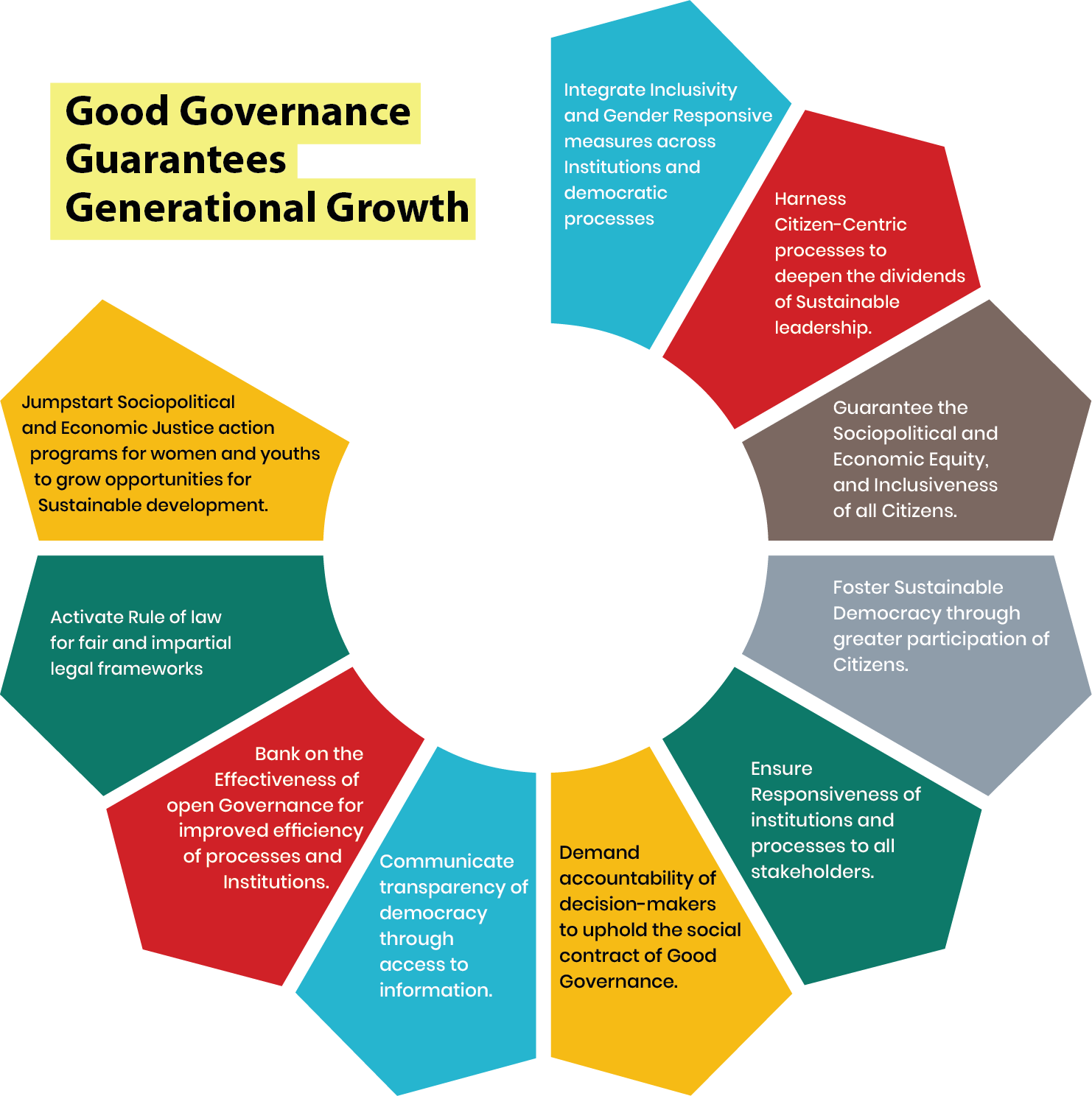
Good Governance is widely recognized as a critical tool for advancing sustainable development and it is also considered a crucial element to be incorporated in development strategies.


Good Governance promotes Accountability, Transparency, Efficiency and Rule of Law at all levels and allows efficiency management of Human, Natural, Economic and Financial Resources for equitable and sustainable development, guaranteeing civil society participation in decision-making processes.


Good Governance and sustainable development are two concepts intimately tied together. Good governance supports Sustainable Development; and its absence severely limits it and can, at worst, impede it.

GIGGA Citizen

Impact Outcomes

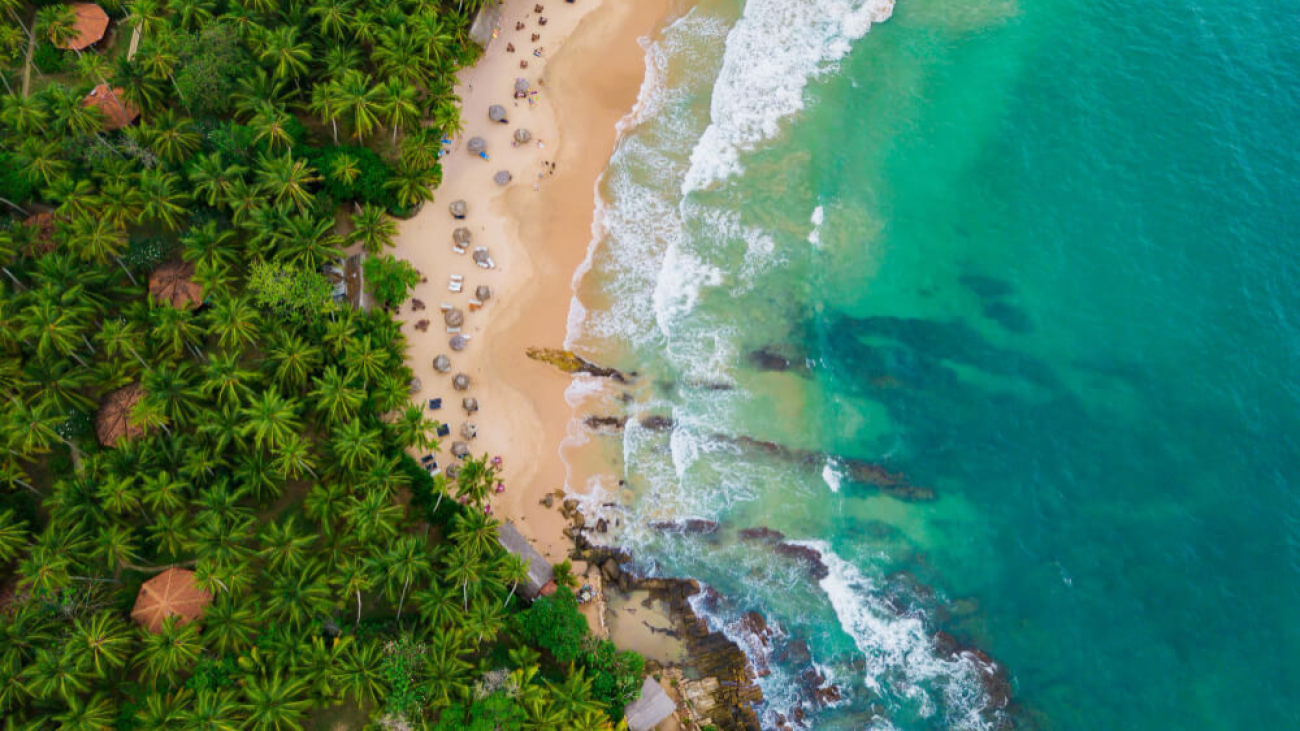
romantic-sunset-tropical-beach-with-palm-trees (1)

Inclusive & Equitable Blue Economy Development

#Blue4ward with IRETI | Hope4Blue

SDG 14

According to the World Bank, the term ‘blue economy’ refers to the sustainable use and conservation of marine, inland aquatic, and coastal resources for food security, job creation, and economic growth. Nigeria’s blue economy remains one of the country’s anchor sub-sectors, with maritime trade contributing 1.6% and fisheries contributing 3 – 5% to the GDP.

The Blue Economy has been dubbed the world’s next economic frontier. 40% of the world’s population live near coastal areas, more than 3 billion people utilize the oceans for their livelihood, and 80% of world trade is achieved using the seas.

The Hope4Blue Program functions based on the five thematic areas identified by the African Union (AU) led expert consultative workshop in 2019 as key vectors for the Africa blue economy development:

  • Governance, Institutions and social actions
  • Fisheries, aquaculture and ecosystems conservation
  • Shipping, transportation and trade
  • Sustainable energy, extractive minerals, gas, innovative industries
  • Environmental sustainability, climate change, coastal infrastructure and tourism

Blue Economy emphasizes on integration of development of the ocean economy with social inclusion, environmental sustainability, combined with innovative business models. It encompasses:

  • Renewable Energy: Sustainable marine energy can play a vital role in social and economic development.
  • Fisheries: Sustainable fisheries can generate more revenue, more fish and help restore fish stocks.
  • Maritime Transport: Over 80% of international goods traded are transported by sea.
  • Tourism: Ocean and coastal tourism can bring jobs and economic growth.
  • Climate Change: Oceans are an important carbon sink (blue carbon) and help mitigate climate change.
  • Waste Management: Better waste management on land can help oceans recover.

The blue economy gives us the opportunity to produce economic resources related to the oceans, while restoring damaged ecosystems and introducing innovative technology that helps us efficiently and sustainably manage everything the seas can offer us.

The oceans are not only a viable source of jobs and wealth. The life of the planet and correct functioning of ecosystem services are sustained by marine ecosystems. The blue economy thus has the potential to achieve a sustainable development which does not compromise life on Earth tomorrow.

Hope4Blue factors that the Blue Economy comprises the same principles and goals as the Green Economy – the promotion of economic growth, social inclusion, and the preservation or improvement of livelihoods while at the same time ensuring environmental sustainability. The Blue Economy concept advocates the ‘greening’ of ocean development strategies for higher productivity and conservation of ocean’s health.

The UN specifies Blue Economy as a range of economic activities related to oceans, seas and coastal areas, and whether these activities are sustainable and socially equitable. An important key point of Blue Economy is sustainable fishing, ocean health, wildlife, and stopping pollution.


Hence, the concept of the Blue Economy rests on the following themes:

  • Sustainable and inclusive growth and development
  • Reducing the risk of over exploitation and risky methods of extraction/usage of the ocean’s resources
  • Enhancing the welfare of coastline communities in terms of economic opportunities and social protection
  • Ensuring resilience of countries to natural disasters and the impact of climate change.

Every year, the ocean economy has an estimated turnover of between US$3 and 6 trillion. This includes employment, ecosystem services provided by the ocean, and cultural services. It is also estimated that fisheries and aquaculture contribute $US100 billion per year and about 260 million jobs to the global economy.

The African Union estimates that the Blue Economy currently generates nearly US$300 billion for the continent, creating 49 million jobs in the process. The preservation of these and other crucial benefits—most notably food security, livelihoods, and biodiversity—are entirely dependent on the ocean’s health. By safeguarding and enhancing marine and coastal health, countries will be in a better position to take full advantage of future Blue Economy opportunities.

According to the World Bank, the Blue Economy is at the core of the economic development and competitiveness of Africa’s coastal countries. However, unsustainable infrastructure development, inadequate management of natural habitats and resources, and pollution are threatening their productivity. Climate change-related events such as sea-level rise, land subsidence, storm surge, and coastal flooding are exacerbating this vulnerability. Blue Economy activities and projects typically suffer from fragmented policies and budget planning, as well as from limited inter-sectoral cooperation.

The Hope4Blue program considers the inter-sectoral nature of Blue Economy Development. Highlighting the fact that the complex challenges and risks—and the enormous development and livelihood opportunities—of the blue economies of Africa require a coordinated approach among a wide range of economic sectors. These sectors include:

  • Fisheries and aquaculture
  • Tourism
  • Renewable energy
  • Marine biotechnology
  • Transport
  • Ports
  • Logistics
  • Wastewater
  • Solid waste management
  • Environmental protection

The World Bank has indicated that the sustainable development of blue economies in Africa needs focused and decisive action to make progress on four cross-cutting areas:

  • Institutional development, Governance and Coordination: Developing adequate institutional frameworks to guide planning and activities across various sectors, levels, jurisdictional boundaries, as well as national and subnational blue sector institutions. Coupled with the identification of common development challenges that require coordinated action across agencies at the national and local level. Climate change adaptation, jobs, and livelihoods are important examples of such shared challenges.
  • Spatial planning: Marine spatial planning (MSP) is a participatory process that brings together all key stakeholders to identify growth and job generation trajectories for coastal areas, together with investment needs, sustainability considerations, current and future risks, and mitigation options. Spatial coordination of coastal territories is required to avoid compounding risks and to leverage development opportunities across sectors for multiple economic and livelihood benefits.
  • Data management and knowledge creation and dissemination: Coordination and integration of information systems to strengthen data and knowledge creation and dissemination to support decision-making. The improved access to and organization of data and knowledge will help generate multi-sectoral, spatial, and sustainable development insights and attract more financing, including from the private sector and other development partners, at both the local and regional levels.
  • Financing: Fully implementing a Blue Economy approach in Africa and addressing the ocean crisis, which includes climate change, requires scaling up the financial resources available. Involving coordinated private sector engagement to bring small and large enterprises together with government institutions. The establishment of partnerships between the public and private sectors have shown to be useful in changing the growth trajectory and accelerating the prosperity of coastal and marine economies.

Hope4Blue prioritizes these four key equally important areas of focus for Sustainable Blue Economy development in the design, activation and deployment of solutions and interventions towards the resource optimization and protection of coastal and marine ecosystems.

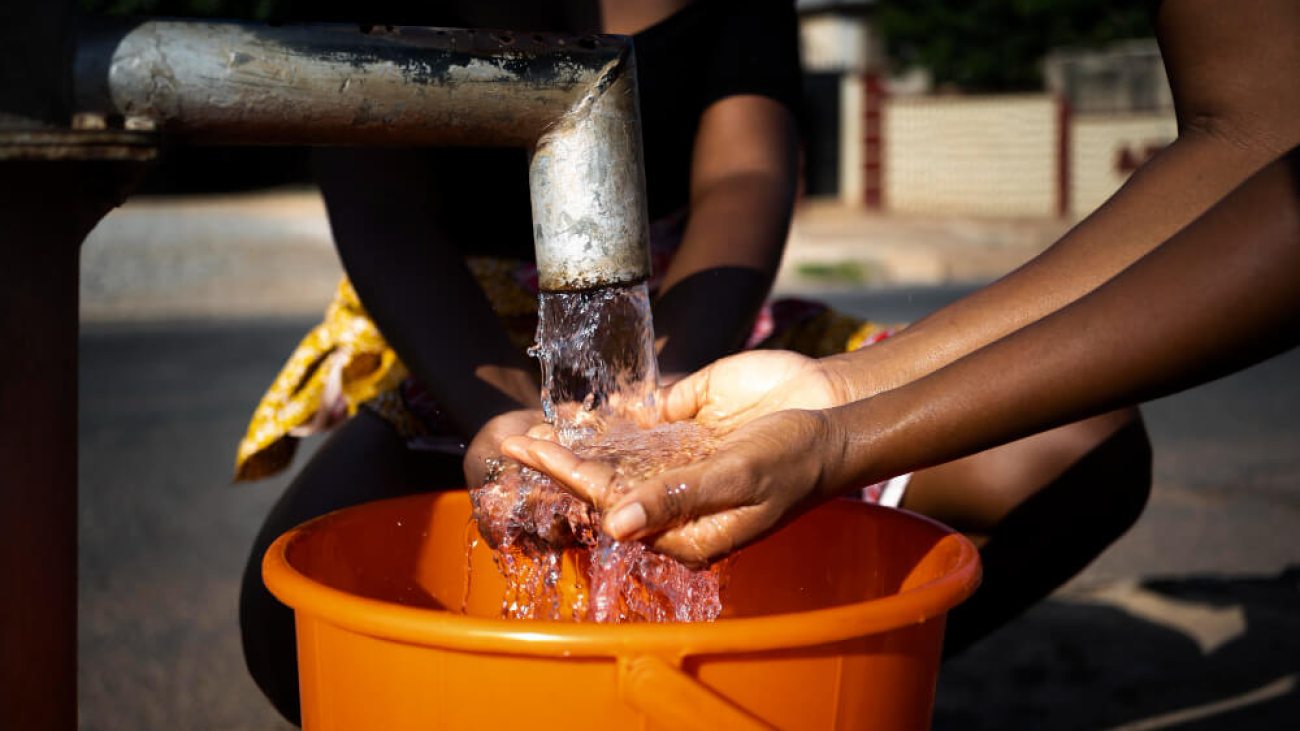
african-woman-pouring-water-recipient-outdoors (1)

Improved Water Sanitation & Hygiene

#AWASH with IRETI | Hope4WASH

SDG 6

Access to safe water, sanitation and hygiene is a human right, yet billions are still faced with daily challenges accessing even the most basic of services. Around 1.8 billion people globally use a source of drinking water that is fecally contaminated. About 2.4 billion people lack access to basic sanitation services, such as toilets or latrines.

Key WASH Facts
  • 3 in 10 people worldwide, approximately 2.2 billion still lack access to safely managed drinking water.
  • Water scarcity affects more than 40% of the global population and is projected to rise.
  • More than 80% of wastewater resulting from human activities is discharged into rivers or sea without any treatment, leading to pollution.
  • More than half of the global population does not have access to safe sanitation.
  • About 3 billion people do not have access to handwashing facilities with soap.
  • 673 million people still practice open defecation.
  • Water and sanitation-related diseases remain among the major causes of death in children under five; more than 800 children die every day from diarrhoeal diseases linked to poor hygiene. Growing up in a clean and safe environment is every child’s right. Access to clean water, basic toilets, and good hygiene practices not only keeps children thriving, but also gives them a healthier start in life.
  • Over 700 children under age 5 die every day of diarrhoeal diseases due to lack of appropriate WASH services. In areas of conflict, children are nearly 20 times more likely to die from diarrhoeal disease than from the conflict itself.
  • 1 in every 3 persons in Abuja practices open defecation, amounting to approximately 37% of the population.
  • In 2018, Nigeria’s Water, Sanitation and Hygiene (WASH) sector was declared to be in a state of emergency; with approximately 60 million Nigerians were living without access to basic drinking water, 80 million without improved sanitation facilities, and 167 million without access to basic handwashing facilities.
  • Women and girls suffer disproportionately from the lack of adequate WASH services. They bear the burden of water collection over long distances, which has been associated with negative effects on well-being, school attendance, and a higher risk of gender-based violence.
  • The economic impact of not investing in water and sanitation costs 4.3% (over 80 billion dollars) of sub-Saharan African GDP.

The Hope4WASH program is premised on the understanding that proper water and sanitation is a key foundation for achieving the Sustainable Development Goals (SDGs). And meeting the target on access to water and sanitation is particularly vital in terms of the no poverty, gender equality, and good health goals, and also has a significant impact on other SDGs.

The United Nations Development Programme (UNDP) states that overall human development is more closely linked to access to water and sanitation than any other development driver, including spending on health or education, and access to energy services.

Hope4WASH seeks to enable improved access to water, sanitation and hygiene services, which has been identified to have various impacts on social and economic development of millions of people, including improving poverty, hunger, primary education, gender equality, child mortality, maternal mortality, water-related disease outbreak, job creation and environmental sustainability outcomes.

Hope4WASH aims to deploy relevant community-based solutions to systemically address issues with access to clean water and reliable sanitation, and to promote basic hygiene practices in rural and urban areas, including in emergency situations.

Securing Multi-Sector Partnerships IRETI

Securing Multi-Sector Partnerships

SDG 17

The Hand-in-Hand with IRETI Program is a strategic voluntary multi-stakeholder platform to promote Transformative and Open Partnerships for Sustainable and Inclusive Development of the Economy. Partnerships are linked to sustainable development in two related ways. Firstly, the complex character of sustainability problems demands the active involvement of all societal spheres to resolve them. Secondly, the concept of sustainable development itself stresses the need for mutual attainment of social equity, environmental health and economic wealth, for which the responsibilities and resources are allocated to different societal spheres.

Therefore, inter-sectoral partnerships which is defined as ‘collaborative arrangements in which actors from two or more spheres of society (state, market and civil society) are involved in a non-hierarchical process’ has been identified as an important tool for implementing sustainable development.

Partnerships and coalitions play a vital role in helping to address the following four sustainable development imperatives:

  • Improving the impact of all business activities, to support growth that is more responsible, inclusive and sustainable;
  • Increasing the level of new private sector investment and innovation in sustainable development;
  • Achieving systemic transformation of markets to work better for people and the environment;
  • Building mutual trust, accountability and a new social contract between business, governments and civil society.

The Hope2geda Platform functions based on the TOPSIDE Framework for Partnership Success:

Transformative Vison & Goals to Establish Shared Purpose.

Optimize Innovative and Creative Approaches to Program Design and Deployment.

Prioritize Systemic and ‘Whole of Value-chain’ Assessment and Impact.

Strengthen Inclusivity, Interest Alignment and Implementation Capability.

Improve Governance Metrics and Management Structures for Measurable Progress.

Develop Independent Monitoring, Evaluation and Reporting Systems for Shared Learning, Accountability and Transparency.

Engage a Strong and Relevant Network of Community-based Supporting Actors.

volunteer

Responsive Humanitarian Action

SDG 1/2/3/5/11/13/16

Humanitarian action is defined as work that is intended to save lives, alleviate suffering and maintain human dignity during and after man-made crises and disasters caused by natural hazards, as well as to prevent and strengthen preparedness for when such situations occur. Humanitarian action is governed through its principles of humanity, impartiality, neutrality and independence.

The volume, cost and length of humanitarian assistance over the past 10 years has grown dramatically, mainly due to the protracted nature of crises and scarce development action in many contexts where vulnerability is the highest.

Nigeria is a diverse country with areas of great development and areas affected by serious humanitarian crises. Over 2.1 million internally displaced people live in north-east Nigeria, with only an estimated 8% in official camps receiving government support. The majority are women and children who have been displaced multiple times due to continued attacks.

Help with IRETI factors that strengthening the humanitarian-development nexus has been identified as vital for responsive humanitarian solutions. This means that while nothing should undermine the commitment to principled humanitarian action, especially in situations of armed conflict, there is, at the same time, a shared moral imperative for channelling multi-sector interventions towards collective outcomes to prevent crises and sustainably reducing people’s levels of humanitarian need.

Help with IRETI programs and projects are structured to promote national prosperity through the mitigation of the socio-economic and environmental risks of natural disasters and the internal displacement of people, loss of lives and property, based on the following prioritized approaches:

  • Secure Sustainable Financing
  • Accelerate Advocacy
  • Guarantee Gender responsive solutions
  • Ensure Intervention Diversity for anticipatory and responsive action
  • Promote Collaboration and Sustainable Partnerships to deepen impact
  • Adopt social inclusivity strategies to prioritize persons with disabilities.
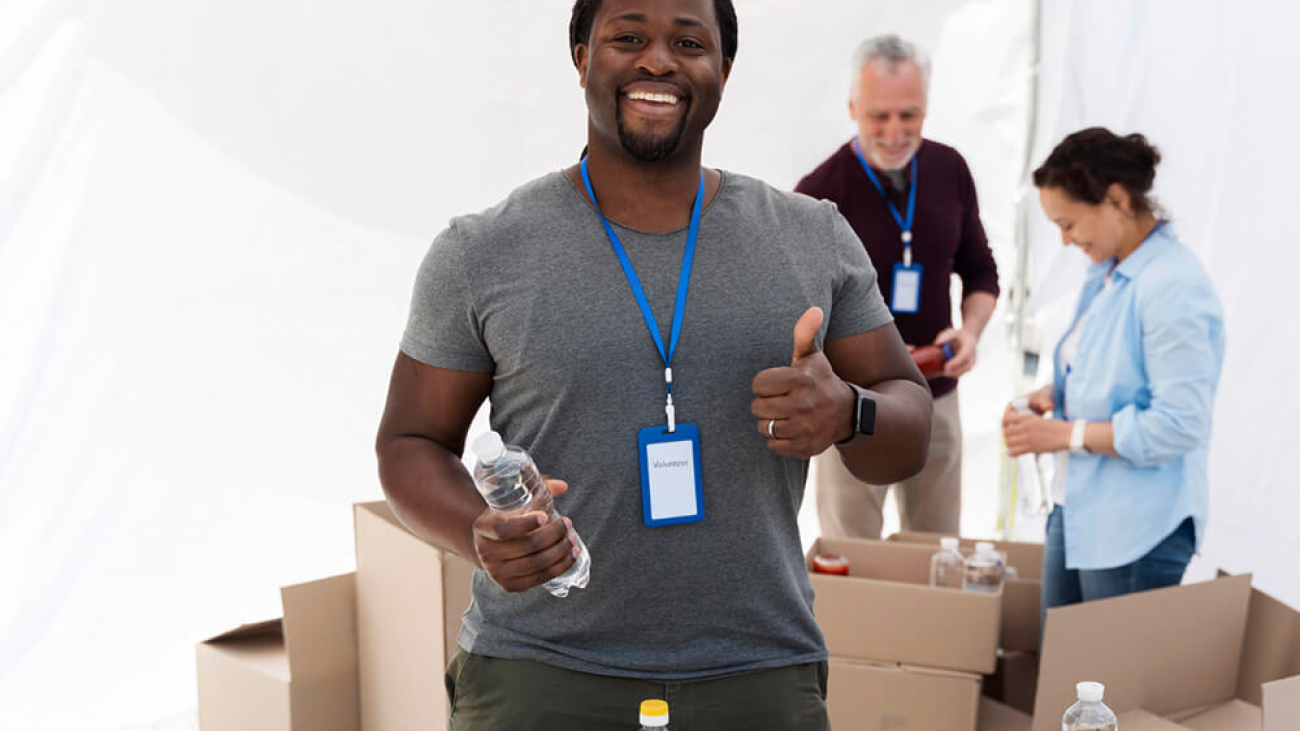
  • Create a Social Action Volunteer Community
  • Enable Community Development with the CHEELS Framework for Climate Action, Health, Education, Enterprise, Livelihood and Security.
greenhouse

Enabling Sustainable Agriculture & Food Security

SDG 2

SDG 2

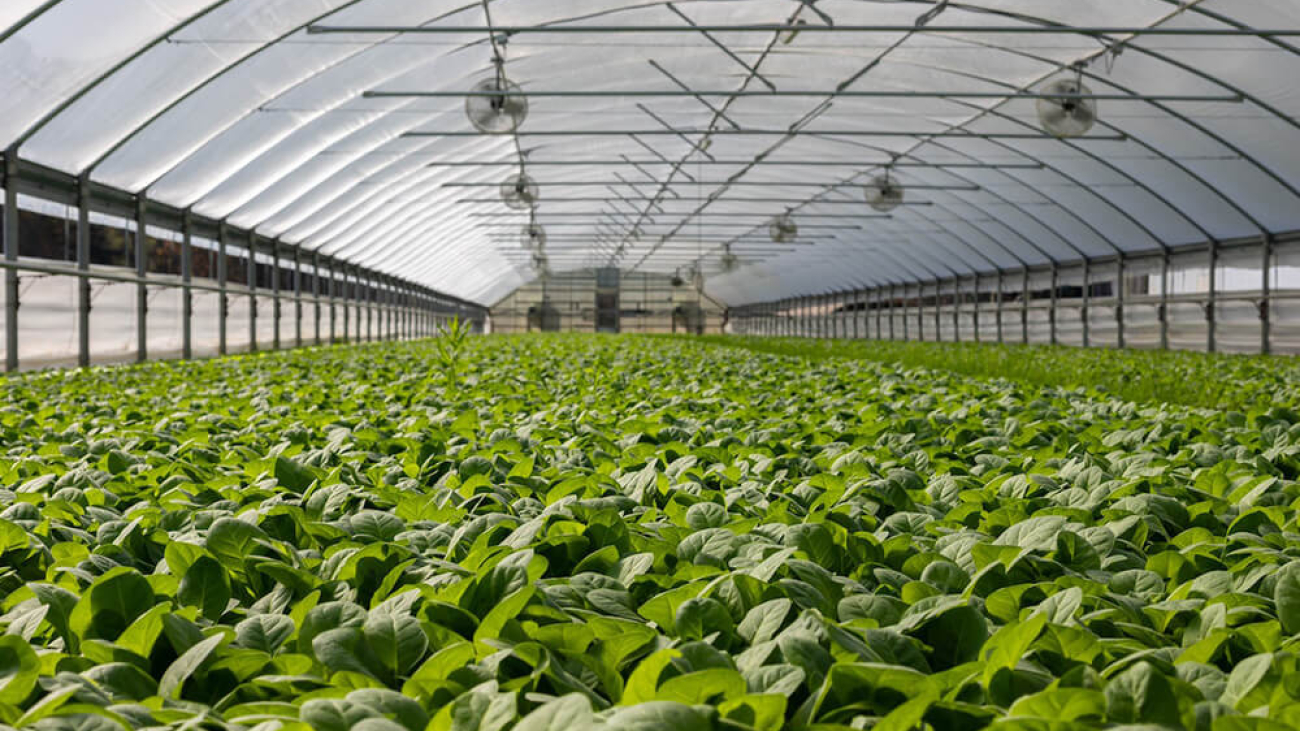
Grow with IRETI is a ‘Promoting Sustainable Agriculture and Food Security Systems’ program designed to deliver inclusive growth across the agriculture and food sectors, covering crops, livestock, aquaculture, fisheries and forests.

Agriculture, which generates food and income for many people around the world, is dependent on a nexus of global ecosystems (the climate, the oceans and terrestrial ecosystems), which have become increasingly threatened. A major threat is climate change, which impacts the health of the global ecosystems, hinders sustainable agriculture and represents one of the biggest threats to food security in the 21st century. Accompanied by a rising world population which will constitute an increase in food demand and consequently immense pressure on the agriculture sector.

The Grow with IRETI program recognizes that sustainable agriculture integrates environmental health, economic viability, and social equity to ensure long-term productivity of natural resources and improved livelihoods, backed by 5 key principles (as determined by the FAO):

Principle 1: Increase productivity, employment and value addition in food systems

Principle 2: Protect and enhance natural resources

Principle 3: Improve livelihoods and foster inclusive economic growth

Principle 4: Enhance the resilience of people, communities and ecosystems

Principle 5: Adapt governance to new challenges

Grow with IRETI considers that in order to adequately feed the over 350 million people projected to live in Nigeria and the 10 billion in global estimates by 2050, solutions must aim to go beyond producing more with less towards a balanced focus on quality and diversity, linking productivity to sustainability and addressing the needs of people.

14

Digital Economy Transition & Internet Poverty

innovation sdg

SDG 9

Inclusive and sustainable industrialization, together with innovation and infrastructure, can unleash dynamic and competitive economic forces that generate employment and income. They play a key role in introducing and promoting new technologies, facilitating international trade and enabling the efficient use of resources.

Grow With IRETI is structured to promote Sustainable and Inclusive Industrialization, Innovation and Infrastructure Development through the activation of a systemic framework that factors all key indicators and constituent sectors that contribute to Innovation, Industry and Infrastructure:

  • Sustainable Transportation
  • Manufacturing Value & Employment
  • Affordable Credit Access
  • Environmental Impact
  • Renewable Energy Capacity & Investment
  • Research & Development Investment
  • Infrastructure Development Investment
  • Support for Domestic Technology Development and Industrial Diversification
  • Universal Access to Information and Communications Technology (Mobile & Internet Access).

Technological progress helps us address big global challenges such as creating jobs and becoming more energy efficient. Bridging the digital divide, promoting sustainable industries, and investing in scientific research and innovation are all important ways to facilitate sustainable development.

Nigeria’s digital divide refers to the inequality of Nigerian individuals, groups, or organizations with regard to access to Information and communications technology (ICT), infrastructure or to the internet for daily activities. One of the factors contributing to the fractured adoption of telecommunications services in Nigeria is affordability.

Nigeria has the largest number of Internet poor people in the world. According to the Internet Poverty Index, 47.39 per cent (103.02 million people) of Nigeria’s 217.37 million population suffer from Internet poverty. 1.39 billion people are suffering from Internet poverty in the world in 2022.

Internet access is increasingly being viewed as a basic requirement, alongside access to food, clothing, housing, and energy. “Internet poverty is measured by how many people can or cannot afford a minimum package of mobile internet. The Grow with IRETI Program has identified the issue of Internet Poverty as one of its priority intervention areas.

13

Environmental Health & Climate Action

The green economy is a people-and-nature-centric model with 5 main principles which are:

    • Wellbeing
    • Justice and Good Governance
    • Poverty eradication
    • Energy-Efficiency and Low-Carbon Development
    • Planetary Boundaries

Ecology, economy, and equity – these are the key points in a Green Economy and constitute the pathway to a wealthy and inclusive nation. A transition towards a Green Economy is exactly what is needed to achieve multiple Sustainable Development Goals – goals on climate action, economic growth, justice, and well-being.

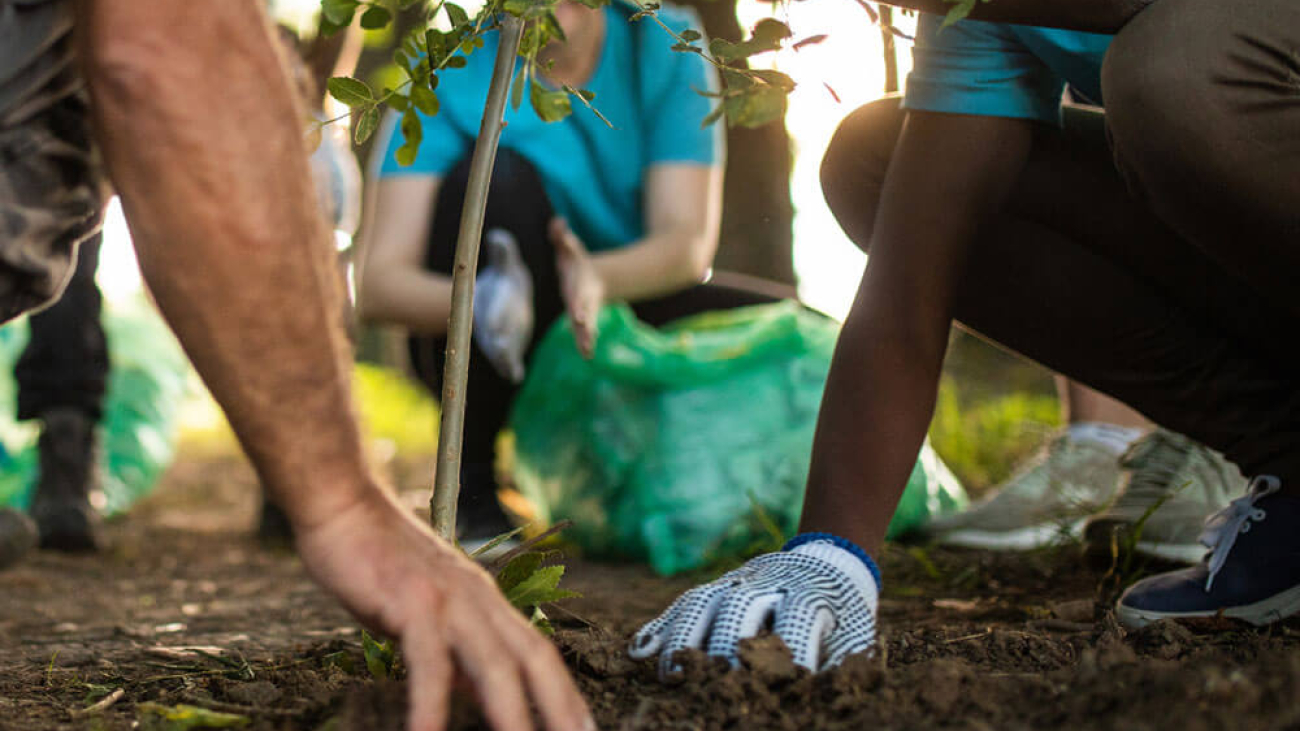
GreenMe IRETI is a program that prioritizes and amplifies citizen-driven climate action as the most scalable approach to ensuring low-carbon, resource efficient and socially inclusive economies. The program prioritizes health of the planet and of the people, and regards these as interlinked. And brings attention to the fact that the green economy is interlinked with circular economy, encouraging the need for a shift to reduce consumption of natural resources to sustainable levels. As an inclusive economy incorporates and embraces modern models of economic development whose objective is to create prosperity within planetary boundaries.

GreenMe IRETI focuses on three major aspects of Green Economy Development – environmental responsiveness, resource efficiency, as well as community and cultural sensitivity.

    • Environmental responsiveness involves respecting the intrinsic value of nature and minimizing damage to the ecosystem.
    • Resource efficiency involves the use of fewer resources to conserve energy and the environment.
    • Community and Cultural Sensitivity involve recognizing and accepting the unique cultural values that each community contributes towards development.