Securing Multi-Sector Partnerships IRETI

Securing Multi-Sector Partnerships

SDG 17

The Hand-in-Hand with IRETI Program is a strategic voluntary multi-stakeholder platform to promote Transformative and Open Partnerships for Sustainable and Inclusive Development of the Economy. Partnerships are linked to sustainable development in two related ways. Firstly, the complex character of sustainability problems demands the active involvement of all societal spheres to resolve them. Secondly, the concept of sustainable development itself stresses the need for mutual attainment of social equity, environmental health and economic wealth, for which the responsibilities and resources are allocated to different societal spheres.

Therefore, inter-sectoral partnerships which is defined as ‘collaborative arrangements in which actors from two or more spheres of society (state, market and civil society) are involved in a non-hierarchical process’ has been identified as an important tool for implementing sustainable development.

Partnerships and coalitions play a vital role in helping to address the following four sustainable development imperatives:

  • Improving the impact of all business activities, to support growth that is more responsible, inclusive and sustainable;
  • Increasing the level of new private sector investment and innovation in sustainable development;
  • Achieving systemic transformation of markets to work better for people and the environment;
  • Building mutual trust, accountability and a new social contract between business, governments and civil society.

The Hope2geda Platform functions based on the TOPSIDE Framework for Partnership Success:

Transformative Vison & Goals to Establish Shared Purpose.

Optimize Innovative and Creative Approaches to Program Design and Deployment.

Prioritize Systemic and ‘Whole of Value-chain’ Assessment and Impact.

Strengthen Inclusivity, Interest Alignment and Implementation Capability.

Improve Governance Metrics and Management Structures for Measurable Progress.

Develop Independent Monitoring, Evaluation and Reporting Systems for Shared Learning, Accountability and Transparency.

Engage a Strong and Relevant Network of Community-based Supporting Actors.

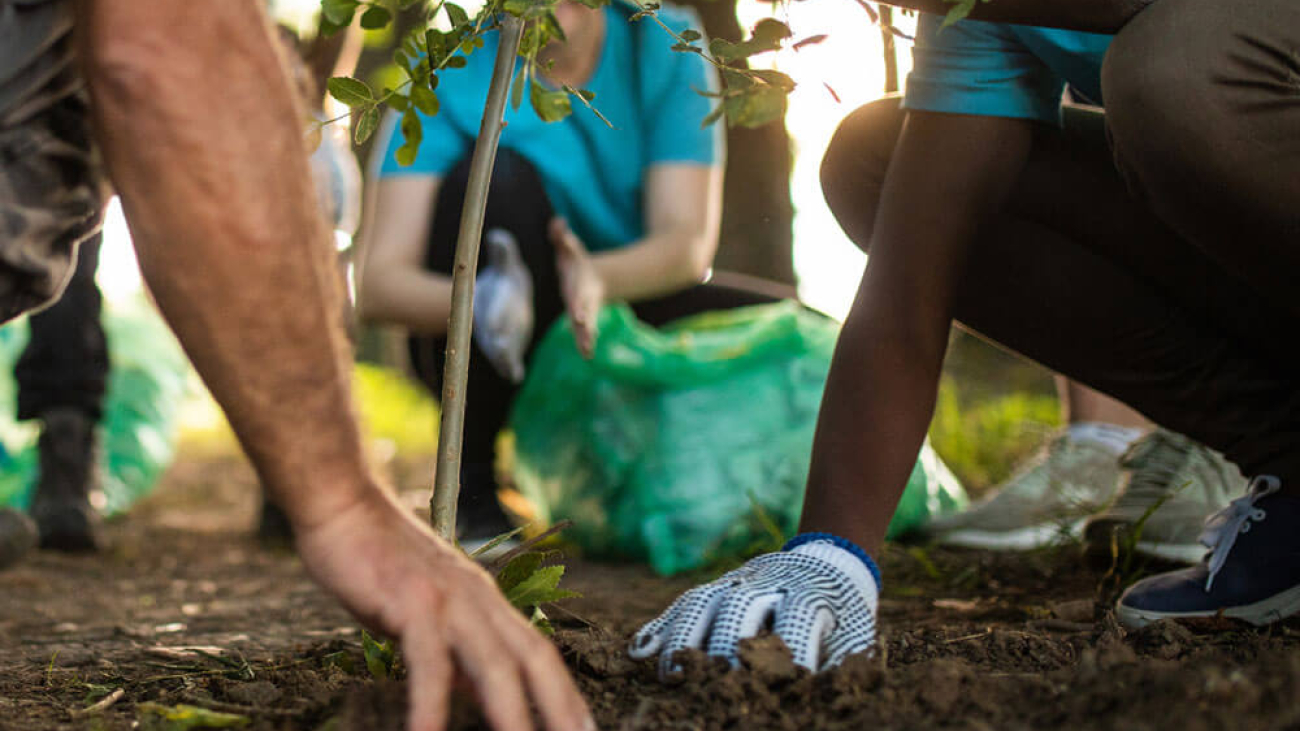
volunteer

Responsive Humanitarian Action

SDG 1/2/3/5/11/13/16

Humanitarian action is defined as work that is intended to save lives, alleviate suffering and maintain human dignity during and after man-made crises and disasters caused by natural hazards, as well as to prevent and strengthen preparedness for when such situations occur. Humanitarian action is governed through its principles of humanity, impartiality, neutrality and independence.

The volume, cost and length of humanitarian assistance over the past 10 years has grown dramatically, mainly due to the protracted nature of crises and scarce development action in many contexts where vulnerability is the highest.

Nigeria is a diverse country with areas of great development and areas affected by serious humanitarian crises. Over 2.1 million internally displaced people live in north-east Nigeria, with only an estimated 8% in official camps receiving government support. The majority are women and children who have been displaced multiple times due to continued attacks.

Help with IRETI factors that strengthening the humanitarian-development nexus has been identified as vital for responsive humanitarian solutions. This means that while nothing should undermine the commitment to principled humanitarian action, especially in situations of armed conflict, there is, at the same time, a shared moral imperative for channelling multi-sector interventions towards collective outcomes to prevent crises and sustainably reducing people’s levels of humanitarian need.

Help with IRETI programs and projects are structured to promote national prosperity through the mitigation of the socio-economic and environmental risks of natural disasters and the internal displacement of people, loss of lives and property, based on the following prioritized approaches:

  • Secure Sustainable Financing
  • Accelerate Advocacy
  • Guarantee Gender responsive solutions
  • Ensure Intervention Diversity for anticipatory and responsive action
  • Promote Collaboration and Sustainable Partnerships to deepen impact
  • Adopt social inclusivity strategies to prioritize persons with disabilities.
  • Create a Social Action Volunteer Community
  • Enable Community Development with the CHEELS Framework for Climate Action, Health, Education, Enterprise, Livelihood and Security.
greenhouse

Enabling Sustainable Agriculture & Food Security

SDG 2

SDG 2

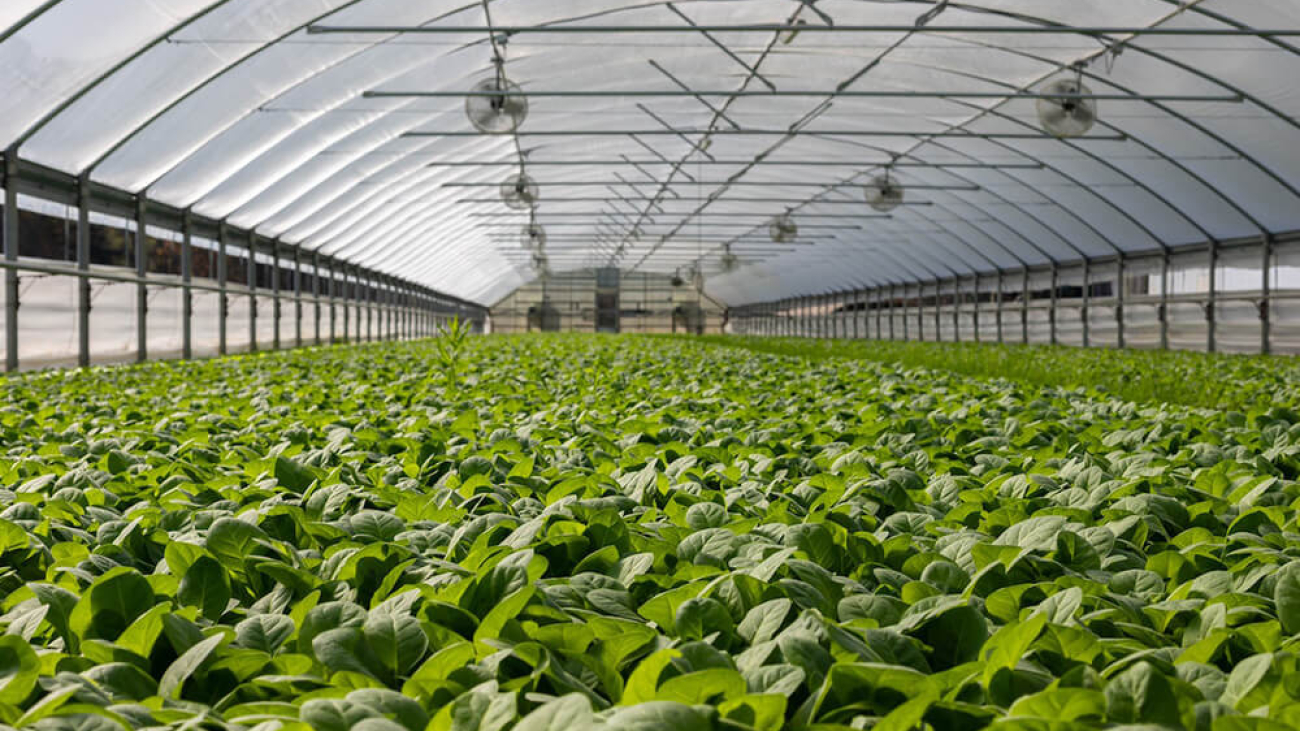
Grow with IRETI is a ‘Promoting Sustainable Agriculture and Food Security Systems’ program designed to deliver inclusive growth across the agriculture and food sectors, covering crops, livestock, aquaculture, fisheries and forests.

Agriculture, which generates food and income for many people around the world, is dependent on a nexus of global ecosystems (the climate, the oceans and terrestrial ecosystems), which have become increasingly threatened. A major threat is climate change, which impacts the health of the global ecosystems, hinders sustainable agriculture and represents one of the biggest threats to food security in the 21st century. Accompanied by a rising world population which will constitute an increase in food demand and consequently immense pressure on the agriculture sector.

The Grow with IRETI program recognizes that sustainable agriculture integrates environmental health, economic viability, and social equity to ensure long-term productivity of natural resources and improved livelihoods, backed by 5 key principles (as determined by the FAO):

Principle 1: Increase productivity, employment and value addition in food systems

Principle 2: Protect and enhance natural resources

Principle 3: Improve livelihoods and foster inclusive economic growth

Principle 4: Enhance the resilience of people, communities and ecosystems

Principle 5: Adapt governance to new challenges

Grow with IRETI considers that in order to adequately feed the over 350 million people projected to live in Nigeria and the 10 billion in global estimates by 2050, solutions must aim to go beyond producing more with less towards a balanced focus on quality and diversity, linking productivity to sustainability and addressing the needs of people.

20230307_120119-1140x570-1 (1)

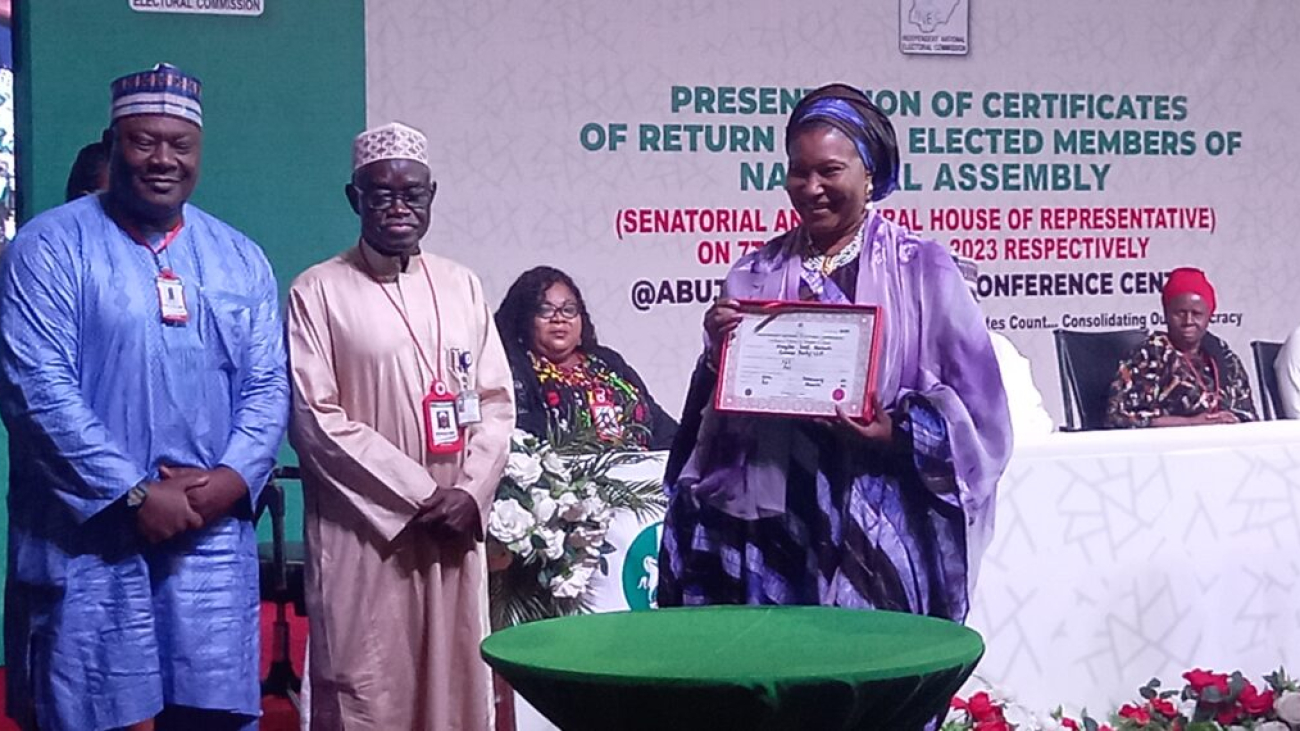
FCT Senator Elect, Ireti Kingibe Receives Certificate of Return from the Independent National Electoral Commission (INEC)

FCT Senator Elect, Ireti Kingibe Receives Certificate of Return from the Independent National Electoral Commission (INEC)

The Senator-elect of the Federal Capital Territory (FCT), Ireti Kingibe, has promised to give the indigenous people of the Federal Capital Territory (FCT) an adequate representation in the 10th Senate.

Speaking after receiving her certificate of return at the International Conference Centre, Abuja on Tuesday, Ms Kingibe also promised to work with the FCT Minister as the representative of the people.

She said policies need to be put in place for the FCT to have more benefits like other states in the country.

“FCT is supposed to be treated like a state. It’s not a state but if certain policies are put in place, we can access all the things that other states do. Now, those policies have to be written and passed. Those are some of the things we are expected to do differently,” he said.

She listed security, shortage of housing and lack of adequate water supply as other issues to be addressed in the FCT.

When asked about the indigenes who might worry for not getting adequate representation as she is not an indigene of the FCT, Ms Kingibe said a candidates’ tribe or religion doesn’t matter but their ability to perform in the task they are voted for.

“They’ll see a difference and know that it’s not the tribe of who represents you that matters but what the person is bringing to the table, what the person is willing to do that’s what matters most. And when Nigerians move away from tribe and religion to capacity. Then we would have arrived to be the nation that we should be.”

Source: Premium Times

https://www.premiumtimesng.com/news/top-news/586684-nigeriadecides2023-fct-senator-elect-ireti-speaks-on-victory-promises-to-provide-adequate-representation.html

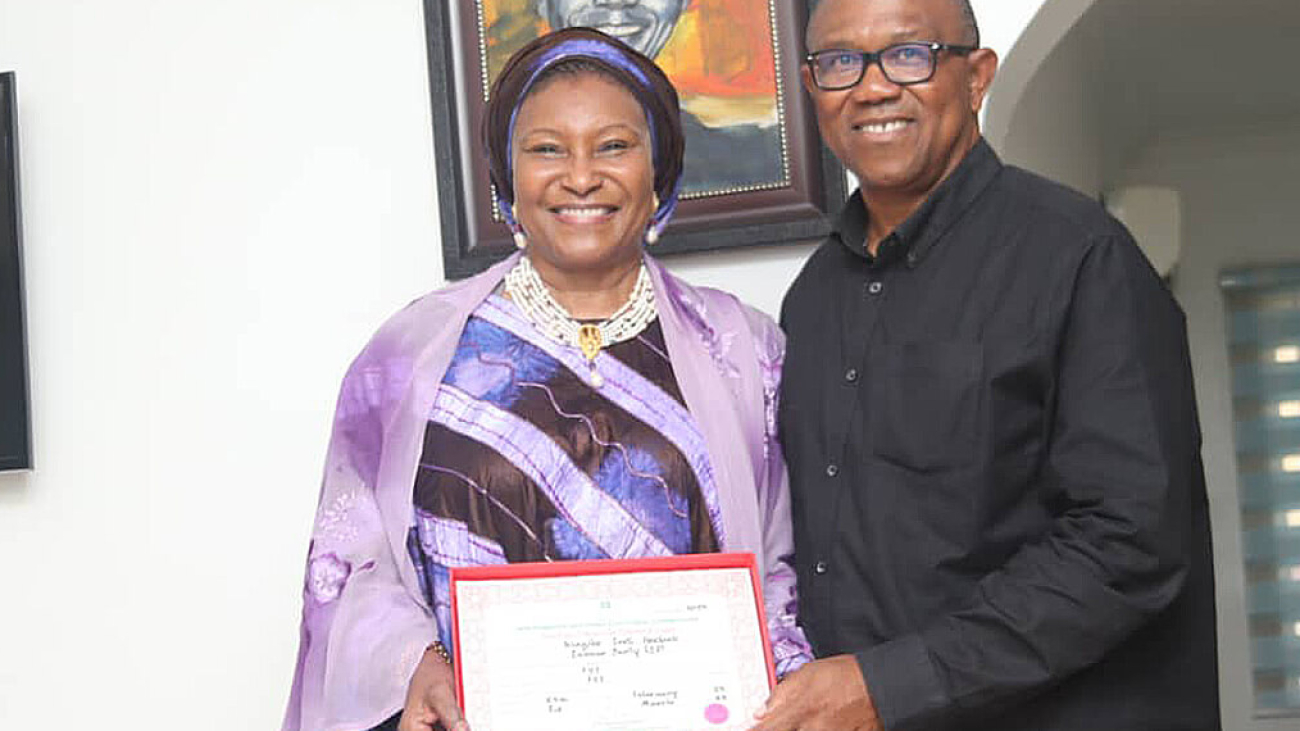
FCT Senator Elect, Ireti Kingibe Presents her Certificate of Return to Peter Obi.

FCT Senator Elect, Ireti Kingibe Presents her Certificate of Return to Peter Obi.

FCT Senator Elect, Ireti Kingibe Presents her Certificate of Return to Peter Obi.

Ireti emerged the winner of the 2023 FCT Senatorial Election, having received a significant lead of 202,175 votes. 

On Tuesday March 7th, the Independent National Electoral Commission (INEC) officially presented Ireti Kingibe of the Labour Party (LP) with her Certificate of Return and declared her the winner of the Federal Capital Territory (FCT) Senate seat. 


A Congratulatory twitter post from Mr. Peter Gregory Obi – the Labour Party’s Presidential Candidate subsequently read:


 

 “A very hearty congratulations to Senator-elect Mrs
@ireti_kingibe; the second elected female senator for the Federal Capital Territory (FCT), Abuja. Her election is in keeping with our commitment to women and youth.” 

https://twitter.com/PeterObi/status/1633174103367593986?s=20 

14

Digital Economy Transition & Internet Poverty

innovation sdg

SDG 9

Inclusive and sustainable industrialization, together with innovation and infrastructure, can unleash dynamic and competitive economic forces that generate employment and income. They play a key role in introducing and promoting new technologies, facilitating international trade and enabling the efficient use of resources.

Grow With IRETI is structured to promote Sustainable and Inclusive Industrialization, Innovation and Infrastructure Development through the activation of a systemic framework that factors all key indicators and constituent sectors that contribute to Innovation, Industry and Infrastructure:

  • Sustainable Transportation
  • Manufacturing Value & Employment
  • Affordable Credit Access
  • Environmental Impact
  • Renewable Energy Capacity & Investment
  • Research & Development Investment
  • Infrastructure Development Investment
  • Support for Domestic Technology Development and Industrial Diversification
  • Universal Access to Information and Communications Technology (Mobile & Internet Access).

Technological progress helps us address big global challenges such as creating jobs and becoming more energy efficient. Bridging the digital divide, promoting sustainable industries, and investing in scientific research and innovation are all important ways to facilitate sustainable development.

Nigeria’s digital divide refers to the inequality of Nigerian individuals, groups, or organizations with regard to access to Information and communications technology (ICT), infrastructure or to the internet for daily activities. One of the factors contributing to the fractured adoption of telecommunications services in Nigeria is affordability.

Nigeria has the largest number of Internet poor people in the world. According to the Internet Poverty Index, 47.39 per cent (103.02 million people) of Nigeria’s 217.37 million population suffer from Internet poverty. 1.39 billion people are suffering from Internet poverty in the world in 2022.

Internet access is increasingly being viewed as a basic requirement, alongside access to food, clothing, housing, and energy. “Internet poverty is measured by how many people can or cannot afford a minimum package of mobile internet. The Grow with IRETI Program has identified the issue of Internet Poverty as one of its priority intervention areas.

13

Environmental Health & Climate Action

The green economy is a people-and-nature-centric model with 5 main principles which are:

    • Wellbeing
    • Justice and Good Governance
    • Poverty eradication
    • Energy-Efficiency and Low-Carbon Development
    • Planetary Boundaries

Ecology, economy, and equity – these are the key points in a Green Economy and constitute the pathway to a wealthy and inclusive nation. A transition towards a Green Economy is exactly what is needed to achieve multiple Sustainable Development Goals – goals on climate action, economic growth, justice, and well-being.

GreenMe IRETI is a program that prioritizes and amplifies citizen-driven climate action as the most scalable approach to ensuring low-carbon, resource efficient and socially inclusive economies. The program prioritizes health of the planet and of the people, and regards these as interlinked. And brings attention to the fact that the green economy is interlinked with circular economy, encouraging the need for a shift to reduce consumption of natural resources to sustainable levels. As an inclusive economy incorporates and embraces modern models of economic development whose objective is to create prosperity within planetary boundaries.

GreenMe IRETI focuses on three major aspects of Green Economy Development – environmental responsiveness, resource efficiency, as well as community and cultural sensitivity.

    • Environmental responsiveness involves respecting the intrinsic value of nature and minimizing damage to the ecosystem.
    • Resource efficiency involves the use of fewer resources to conserve energy and the environment.
    • Community and Cultural Sensitivity involve recognizing and accepting the unique cultural values that each community contributes towards development.
12

Justice Equity & Human Rights Protection

The justice gap can be understood as the number of people who have at least one unmet justice need. These are people who are ultimately not getting the justice they need for both everyday problems and severe injustices.

Drawing from the global estimates, it can be inferred that over 120 million Nigerians (almost 67% of the population) experience some form of Justice Exclusion in their everyday lives.

Get Your Rights with IRETI aims to bridge the Justice Gap in Nigeria through targeted interventions that contribute towards the improvement of Citizens’ Legal Empowerment and Capability, Support of the entire Justice System for the provision of Appropriate Assistance, and Identifying opportunities to accelerate Resolution Processes and Outcomes.                                     

This program also prioritizes a broader approach to the understanding and the promoting of the Rule of Law as key to enabling Environmental Rights and Justice.

11

Education and Lifelong Learning

Education for Sustainable Development (ESD) empowers learners with knowledge, skills, values and attitudes to take informed decisions and make responsible actions for environmental integrity, economic viability and a just society.

In order to make the shift to an inclusive and sustainable future, we need to rethink what, where and how we learn to develop the knowledge, skills, values and attitudes that enable us all to make informed decisions and take individual and collective action on local, national and global urgencies.

SkoolMe IRETI is designed as an Education for Sustainable Development and Systemic Transformation Program that aims to provide relevant knowledge for awareness and action through advocacy and educational tools, materials and resources to promote informed civic participation and progressive Citizen engagement for collective empowerment and transformation.

SkoolMe IRETI has 4 thematic Education for Sustainable Transformation focus areas which include: Civic Education, Human Rights Education, Climate Education & Cultural Education.