




ASHORE-impact-obj-26

Better Access to Care

Better Access to Care

One of the primary issues in rural areas is the limited availability of healthcare facilities and providers. A well-designed assistance program can help establish clinics, telemedicine services, mobile health units, and other innovative ways to bring medical care closer to rural residents.
This increased access can lead to early disease detection, timely medical interventions, and better management of chronic conditions.

ASHORE-impact-obj-25

Healthcare Infrastructure Improvement

Healthcare Infrastructure Improvement

Rural healthcare facilities often suffer from underinvestment, outdated equipment, and inadequate staff. A healthcare assistance program can allocate resources to upgrade and modernize rural clinics and hospitals, ensuring that they have the necessary medical equipment, qualified personnel, and infrastructure to provide quality care.

ASHORE-Cover

Abuja Sustainable Health Opportunities 4 Rural Empowerment.

Abuja Sustainable Health Opportunities 4 Rural Empowerment.

ASHORE is the comprehensive FCT rural communities healthcare assistance program of the Hope4Health Project backed by Senator Ireti Kingibe's 2RUHOPE Development Initiative. This program is of paramount importance due to its potential to address the unique healthcare challenges faced by these areas.

Rural communities often encounter limited access to medical facilities, healthcare professionals, and specialized services. This scarcity can lead to delayed or inadequate care, disproportionately affecting the health outcomes of residents.

The ASHORE Initiative would provide essential medical services, preventive care, and health education to bridge the geographical and resource gaps. Timely access to primary care, vaccinations, screenings, and chronic disease management can significantly improve health and well-being, reducing the burden of preventable illnesses. Moreover, a dedicated healthcare assistance program can foster community engagement, encouraging locals to actively participate in their own health management.

Rural economies are closely tied to the vitality of their workforce, by ensuring healthier residents, this program would enhance the productivity and overall economic resilience of these communities. It could attract and retain healthcare professionals by offering incentives and support for practicing in underserved regions, bolstering the local medical workforce.

This healthcare assistance program is tailored for rural areas and holds the potential to enhance health equity, improve healthcare access, and promote community well-being. By addressing the unique challenges faced by rural communities, such a program can contribute to better health outcomes, economic prosperity, and a stronger sense of community resilience.

Impact Objectives

  • The ultimate objective for the ASHORE healthcare assistance program for rural community empowerment is Quality of Life Improvement. Access to proper healthcare contributes significantly to the overall quality of life.

  • Disability Inclusion A healthcare assistance program in rural communities enhances disability inclusion by providing accessible medical services, specialized care, and awareness campaigns. By offering regular check-ups, telehealth options, and mobility

  • Economic Progress Improving healthcare in rural areas can have positive economic impacts. When residents are healthier, they are more likely to participate in the workforce, leading to increased productivity and

  • Community Engagement and Empowerment Engaging the community in healthcare decisions and programs can foster a sense of ownership and empowerment. The program can involve local leaders, community health workers, and

  • Chronic Disease Management Many rural residents suffer from chronic diseases like diabetes, heart disease, and obesity. A healthcare assistance program can focus on providing resources for effective management of these

  • Healthcare Workforce Development Recruiting and retaining healthcare professionals in rural areas can be challenging due to factors like isolation and limited career opportunities. A healthcare assistance program can offer incentives

  • Emergency Medical Services Rural areas frequently encounter challenges when it comes to emergency medical services. Longer distances to hospitals and emergency response units can result in delayed care during critical

  • Reducing Health Disparities Rural communities often face health disparities due to factors such as income inequality, limited transportation options, and lack of healthcare infrastructure. A dedicated assistance program can help

  • Preventive Care and Education Healthcare assistance programs focus on promoting preventive care and health education in rural communities. This includes organizing workshops, distributing informational materials, and conducting screenings for common

  • Better Access to Care One of the primary issues in rural areas is the limited availability of healthcare facilities and providers. A well-designed assistance program can help establish clinics, telemedicine

  • Healthcare Infrastructure Improvement Rural healthcare facilities often suffer from underinvestment, outdated equipment, and inadequate staff. A healthcare assistance program can allocate resources to upgrade and modernize rural clinics and hospitals,

Impact Areas

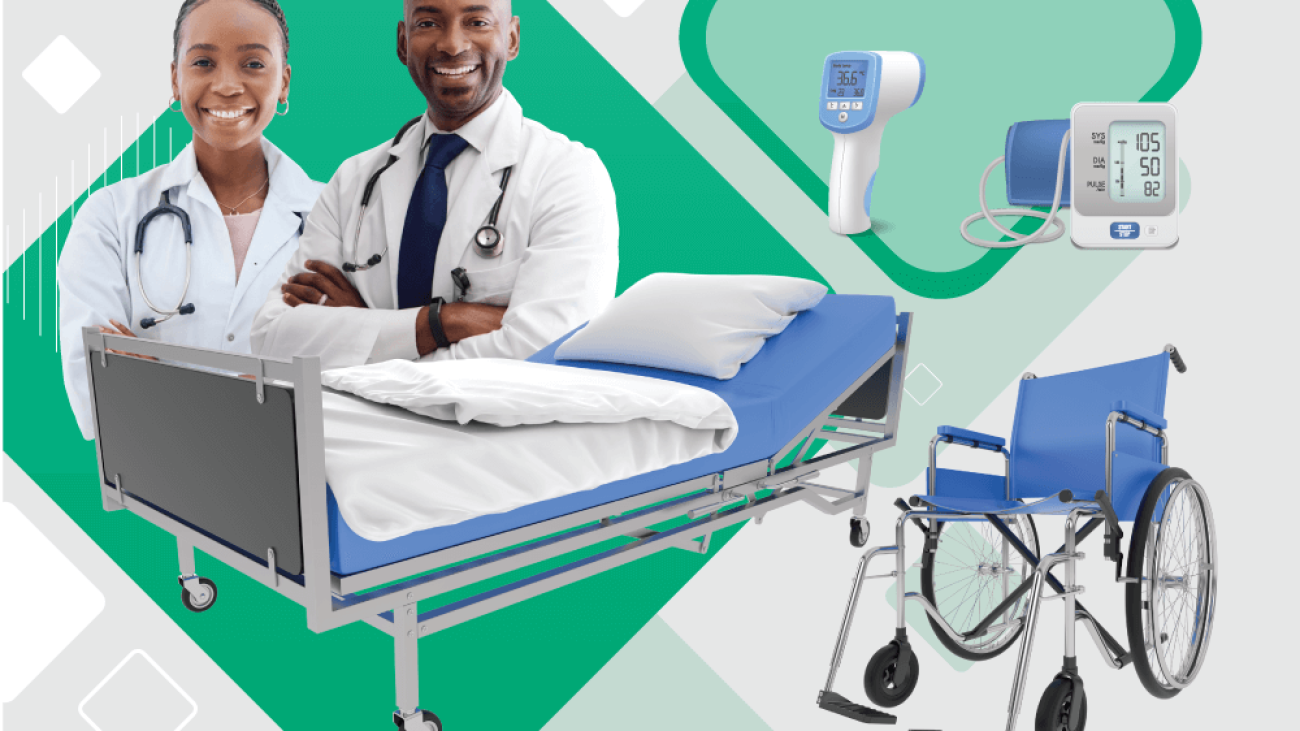
  • Assistive Aid Intervention Program The ASHORE Assistive Aid Intervention Program is a systematic initiative designed to offer specialized tools, devices, or services that help individuals with disabilities or limitations achieve

romantic-sunset-tropical-beach-with-palm-trees (1)

Inclusive & Equitable Blue Economy Development

#Blue4ward with IRETI | Hope4Blue

SDG 14

According to the World Bank, the term ‘blue economy’ refers to the sustainable use and conservation of marine, inland aquatic, and coastal resources for food security, job creation, and economic growth. Nigeria’s blue economy remains one of the country’s anchor sub-sectors, with maritime trade contributing 1.6% and fisheries contributing 3 – 5% to the GDP.

The Blue Economy has been dubbed the world’s next economic frontier. 40% of the world’s population live near coastal areas, more than 3 billion people utilize the oceans for their livelihood, and 80% of world trade is achieved using the seas.

The Hope4Blue Program functions based on the five thematic areas identified by the African Union (AU) led expert consultative workshop in 2019 as key vectors for the Africa blue economy development:

  • Governance, Institutions and social actions
  • Fisheries, aquaculture and ecosystems conservation
  • Shipping, transportation and trade
  • Sustainable energy, extractive minerals, gas, innovative industries
  • Environmental sustainability, climate change, coastal infrastructure and tourism

Blue Economy emphasizes on integration of development of the ocean economy with social inclusion, environmental sustainability, combined with innovative business models. It encompasses:

  • Renewable Energy: Sustainable marine energy can play a vital role in social and economic development.
  • Fisheries: Sustainable fisheries can generate more revenue, more fish and help restore fish stocks.
  • Maritime Transport: Over 80% of international goods traded are transported by sea.
  • Tourism: Ocean and coastal tourism can bring jobs and economic growth.
  • Climate Change: Oceans are an important carbon sink (blue carbon) and help mitigate climate change.
  • Waste Management: Better waste management on land can help oceans recover.

The blue economy gives us the opportunity to produce economic resources related to the oceans, while restoring damaged ecosystems and introducing innovative technology that helps us efficiently and sustainably manage everything the seas can offer us.

The oceans are not only a viable source of jobs and wealth. The life of the planet and correct functioning of ecosystem services are sustained by marine ecosystems. The blue economy thus has the potential to achieve a sustainable development which does not compromise life on Earth tomorrow.

Hope4Blue factors that the Blue Economy comprises the same principles and goals as the Green Economy – the promotion of economic growth, social inclusion, and the preservation or improvement of livelihoods while at the same time ensuring environmental sustainability. The Blue Economy concept advocates the ‘greening’ of ocean development strategies for higher productivity and conservation of ocean’s health.

The UN specifies Blue Economy as a range of economic activities related to oceans, seas and coastal areas, and whether these activities are sustainable and socially equitable. An important key point of Blue Economy is sustainable fishing, ocean health, wildlife, and stopping pollution.


Hence, the concept of the Blue Economy rests on the following themes:

  • Sustainable and inclusive growth and development
  • Reducing the risk of over exploitation and risky methods of extraction/usage of the ocean’s resources
  • Enhancing the welfare of coastline communities in terms of economic opportunities and social protection
  • Ensuring resilience of countries to natural disasters and the impact of climate change.

Every year, the ocean economy has an estimated turnover of between US$3 and 6 trillion. This includes employment, ecosystem services provided by the ocean, and cultural services. It is also estimated that fisheries and aquaculture contribute $US100 billion per year and about 260 million jobs to the global economy.

The African Union estimates that the Blue Economy currently generates nearly US$300 billion for the continent, creating 49 million jobs in the process. The preservation of these and other crucial benefits—most notably food security, livelihoods, and biodiversity—are entirely dependent on the ocean’s health. By safeguarding and enhancing marine and coastal health, countries will be in a better position to take full advantage of future Blue Economy opportunities.

According to the World Bank, the Blue Economy is at the core of the economic development and competitiveness of Africa’s coastal countries. However, unsustainable infrastructure development, inadequate management of natural habitats and resources, and pollution are threatening their productivity. Climate change-related events such as sea-level rise, land subsidence, storm surge, and coastal flooding are exacerbating this vulnerability. Blue Economy activities and projects typically suffer from fragmented policies and budget planning, as well as from limited inter-sectoral cooperation.

The Hope4Blue program considers the inter-sectoral nature of Blue Economy Development. Highlighting the fact that the complex challenges and risks—and the enormous development and livelihood opportunities—of the blue economies of Africa require a coordinated approach among a wide range of economic sectors. These sectors include:

  • Fisheries and aquaculture
  • Tourism
  • Renewable energy
  • Marine biotechnology
  • Transport
  • Ports
  • Logistics
  • Wastewater
  • Solid waste management
  • Environmental protection

The World Bank has indicated that the sustainable development of blue economies in Africa needs focused and decisive action to make progress on four cross-cutting areas:

  • Institutional development, Governance and Coordination: Developing adequate institutional frameworks to guide planning and activities across various sectors, levels, jurisdictional boundaries, as well as national and subnational blue sector institutions. Coupled with the identification of common development challenges that require coordinated action across agencies at the national and local level. Climate change adaptation, jobs, and livelihoods are important examples of such shared challenges.
  • Spatial planning: Marine spatial planning (MSP) is a participatory process that brings together all key stakeholders to identify growth and job generation trajectories for coastal areas, together with investment needs, sustainability considerations, current and future risks, and mitigation options. Spatial coordination of coastal territories is required to avoid compounding risks and to leverage development opportunities across sectors for multiple economic and livelihood benefits.
  • Data management and knowledge creation and dissemination: Coordination and integration of information systems to strengthen data and knowledge creation and dissemination to support decision-making. The improved access to and organization of data and knowledge will help generate multi-sectoral, spatial, and sustainable development insights and attract more financing, including from the private sector and other development partners, at both the local and regional levels.
  • Financing: Fully implementing a Blue Economy approach in Africa and addressing the ocean crisis, which includes climate change, requires scaling up the financial resources available. Involving coordinated private sector engagement to bring small and large enterprises together with government institutions. The establishment of partnerships between the public and private sectors have shown to be useful in changing the growth trajectory and accelerating the prosperity of coastal and marine economies.

Hope4Blue prioritizes these four key equally important areas of focus for Sustainable Blue Economy development in the design, activation and deployment of solutions and interventions towards the resource optimization and protection of coastal and marine ecosystems.

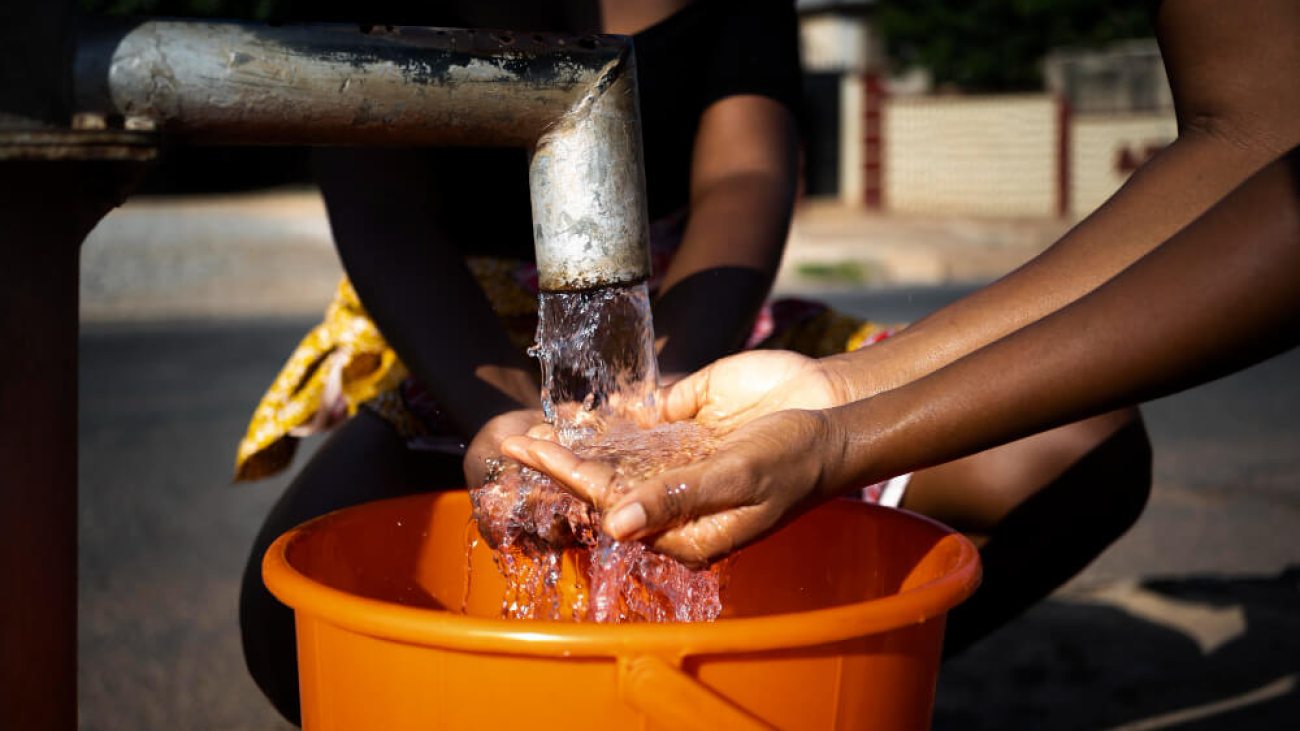
african-woman-pouring-water-recipient-outdoors (1)

Improved Water Sanitation & Hygiene

#AWASH with IRETI | Hope4WASH

SDG 6

Access to safe water, sanitation and hygiene is a human right, yet billions are still faced with daily challenges accessing even the most basic of services. Around 1.8 billion people globally use a source of drinking water that is fecally contaminated. About 2.4 billion people lack access to basic sanitation services, such as toilets or latrines.

Key WASH Facts
  • 3 in 10 people worldwide, approximately 2.2 billion still lack access to safely managed drinking water.
  • Water scarcity affects more than 40% of the global population and is projected to rise.
  • More than 80% of wastewater resulting from human activities is discharged into rivers or sea without any treatment, leading to pollution.
  • More than half of the global population does not have access to safe sanitation.
  • About 3 billion people do not have access to handwashing facilities with soap.
  • 673 million people still practice open defecation.
  • Water and sanitation-related diseases remain among the major causes of death in children under five; more than 800 children die every day from diarrhoeal diseases linked to poor hygiene. Growing up in a clean and safe environment is every child’s right. Access to clean water, basic toilets, and good hygiene practices not only keeps children thriving, but also gives them a healthier start in life.
  • Over 700 children under age 5 die every day of diarrhoeal diseases due to lack of appropriate WASH services. In areas of conflict, children are nearly 20 times more likely to die from diarrhoeal disease than from the conflict itself.
  • 1 in every 3 persons in Abuja practices open defecation, amounting to approximately 37% of the population.
  • In 2018, Nigeria’s Water, Sanitation and Hygiene (WASH) sector was declared to be in a state of emergency; with approximately 60 million Nigerians were living without access to basic drinking water, 80 million without improved sanitation facilities, and 167 million without access to basic handwashing facilities.
  • Women and girls suffer disproportionately from the lack of adequate WASH services. They bear the burden of water collection over long distances, which has been associated with negative effects on well-being, school attendance, and a higher risk of gender-based violence.
  • The economic impact of not investing in water and sanitation costs 4.3% (over 80 billion dollars) of sub-Saharan African GDP.

The Hope4WASH program is premised on the understanding that proper water and sanitation is a key foundation for achieving the Sustainable Development Goals (SDGs). And meeting the target on access to water and sanitation is particularly vital in terms of the no poverty, gender equality, and good health goals, and also has a significant impact on other SDGs.

The United Nations Development Programme (UNDP) states that overall human development is more closely linked to access to water and sanitation than any other development driver, including spending on health or education, and access to energy services.

Hope4WASH seeks to enable improved access to water, sanitation and hygiene services, which has been identified to have various impacts on social and economic development of millions of people, including improving poverty, hunger, primary education, gender equality, child mortality, maternal mortality, water-related disease outbreak, job creation and environmental sustainability outcomes.

Hope4WASH aims to deploy relevant community-based solutions to systemically address issues with access to clean water and reliable sanitation, and to promote basic hygiene practices in rural and urban areas, including in emergency situations.

ajuba-wheel (1)

AJUBBA

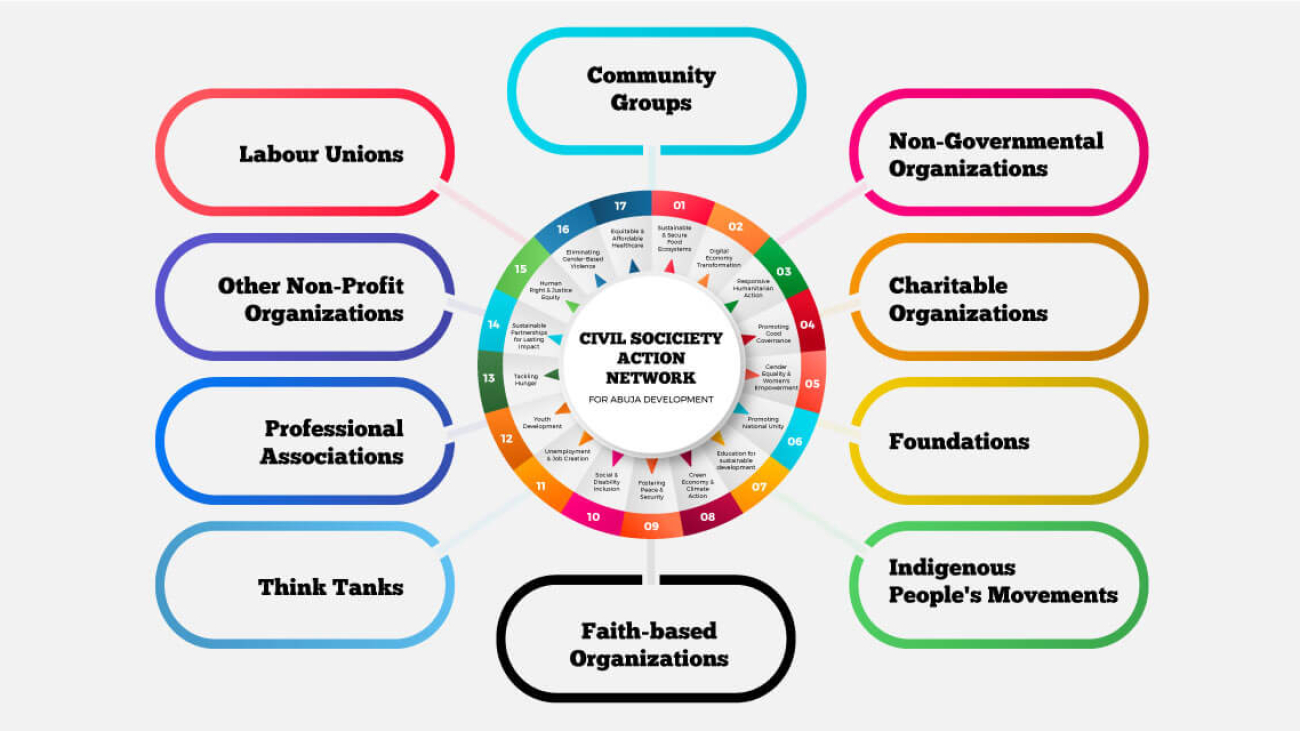
Enabling Civil Society Participation to Advance Good Governance & Sustainable Development.